
When to Use a Peristaltic Pump?
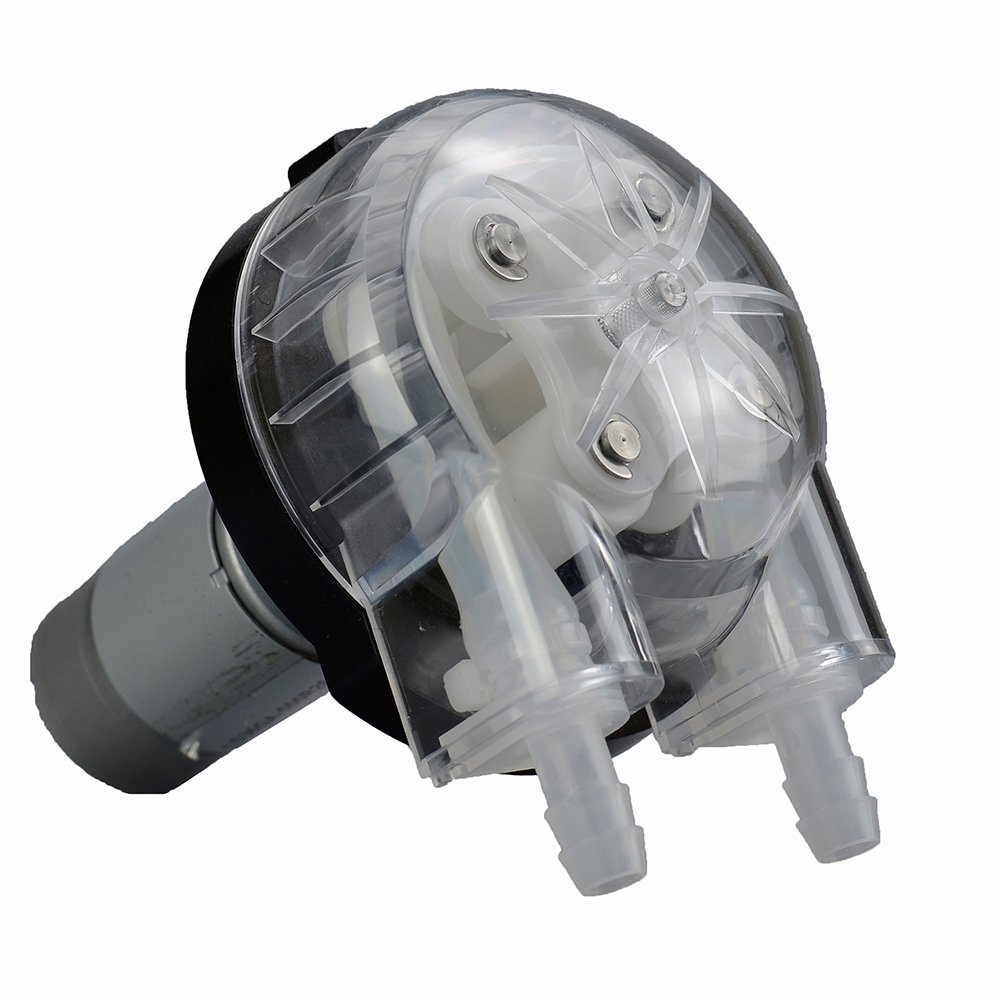
1. For Clean and Hygienic Delivery: Clean and hygienic delivery refers to the delivery of edible liquids such as food and beverages, or liquids containing solids. Compared to other pump types, when delivering liquids, the liquid only comes into contact with the pump tubing. Peristaltic pumps can be equipped with FDA food-grade tubing, making them […]
What are the functions of a peristaltic pump with a built-in pump housing?
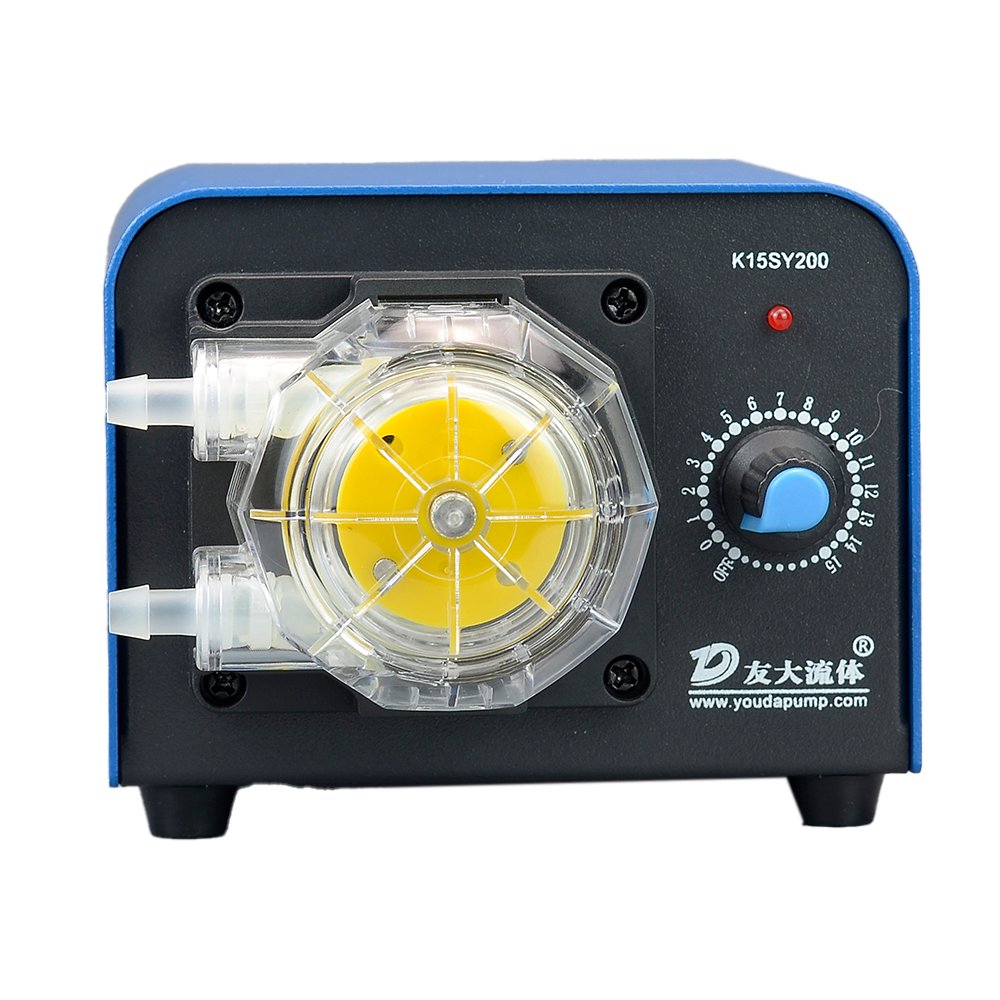
A peristaltic pump with a built-in pump housing mainly has three functions: 1. Start-stop liquid delivery: The peristaltic pump is always on standby. Press the start button to start running and press the stop button to stop. This is suitable for the delivery requirements of laboratories or medical institutions. The operation of the peristaltic pump […]
Which type of peristaltic pump should be chosen for a milk analyzer?
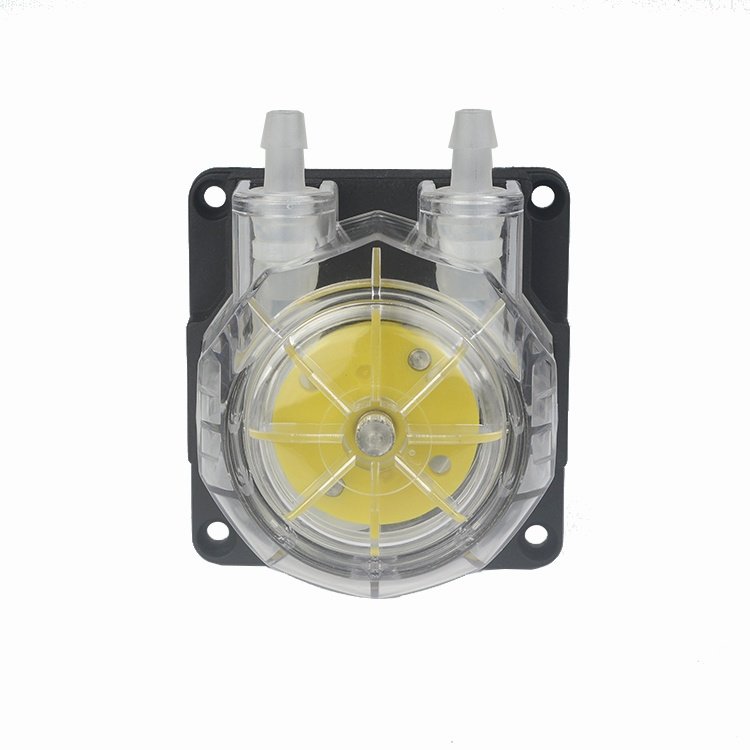
The peristaltic pump required for a milk analyzer generally has the following requirements: 1. Flow rate: Since only about 30ml of milk is needed for analysis, a low-flow-rate pump is sufficient. 2. Motor: Due to the high accuracy requirements of the analyzer’s sample flow rate, a stepper motor should be considered. 3. Tube size: Since […]
What is the best peristaltic pump?
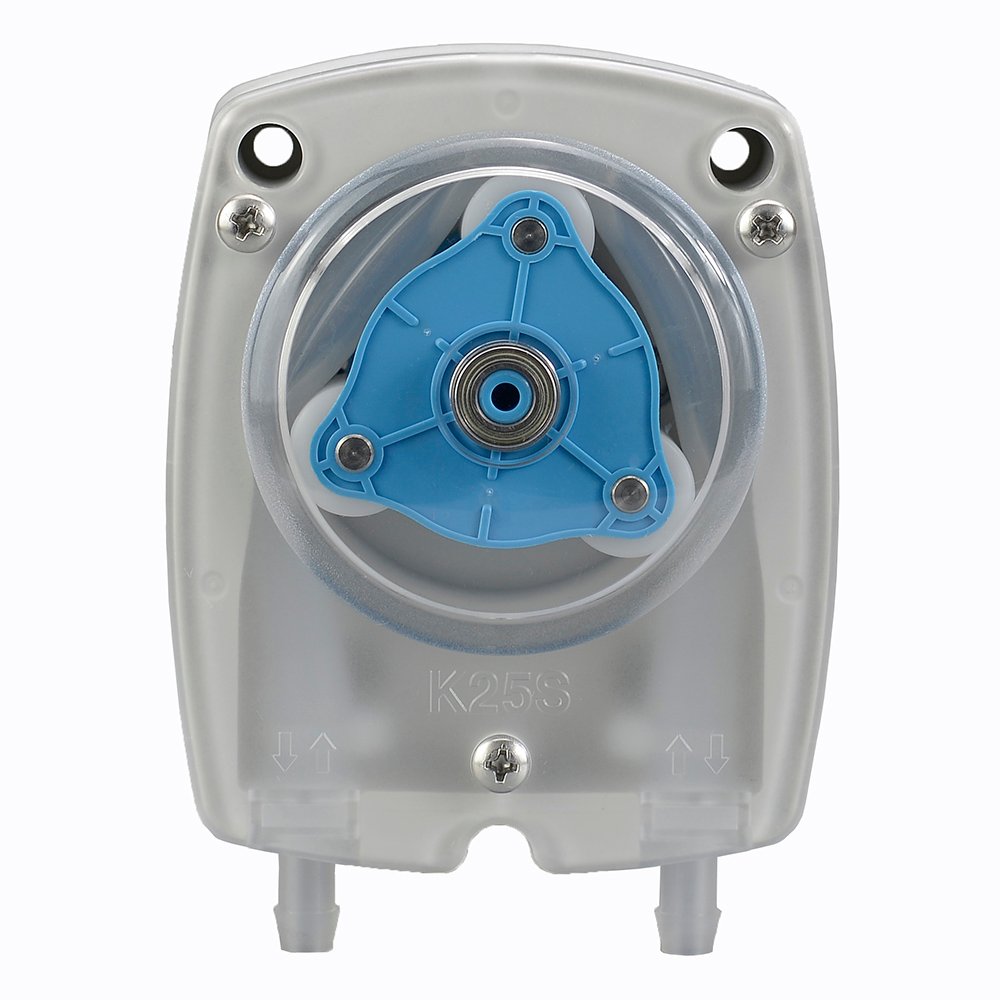
The best peristaltic pumps are characterized by the following:1,Long tubing life. Tubing life is a crucial factor in the quality of a peristaltic pump. Undoubtedly, for the same pump tubing, a longer lifespan means lower costs. 2,Low motor noise. Since peristaltic pumps are primarily used in instruments and meters, the operating environment is relatively quiet, […]
Which peristaltic pump is best, a DC motor or a stepper motor?
The choice of which peristaltic pump is better depends on the specific application scenario. Specific factors to consider include: 1. Accuracy: If high accuracy is required, a stepper motor peristaltic pump is the better choice; if accuracy requirements are lower, a DC motor is preferable. 2. Flow rate: Flow rate generally refers to the flow […]
How to choose a suitable peristaltic pump for high-viscosity liquids?
The following factors should be considered when selecting a peristaltic pump for transporting viscous liquids: 1. Tube wall thickness: Viscous liquids are generally difficult to transport, mainly because the inlet suction of the peristaltic pump is insufficient to draw them up. Therefore, it is recommended to prioritize tubing with a thicker wall, such as 2.4mm […]
How to eliminate pulsation in a peristaltic pump?
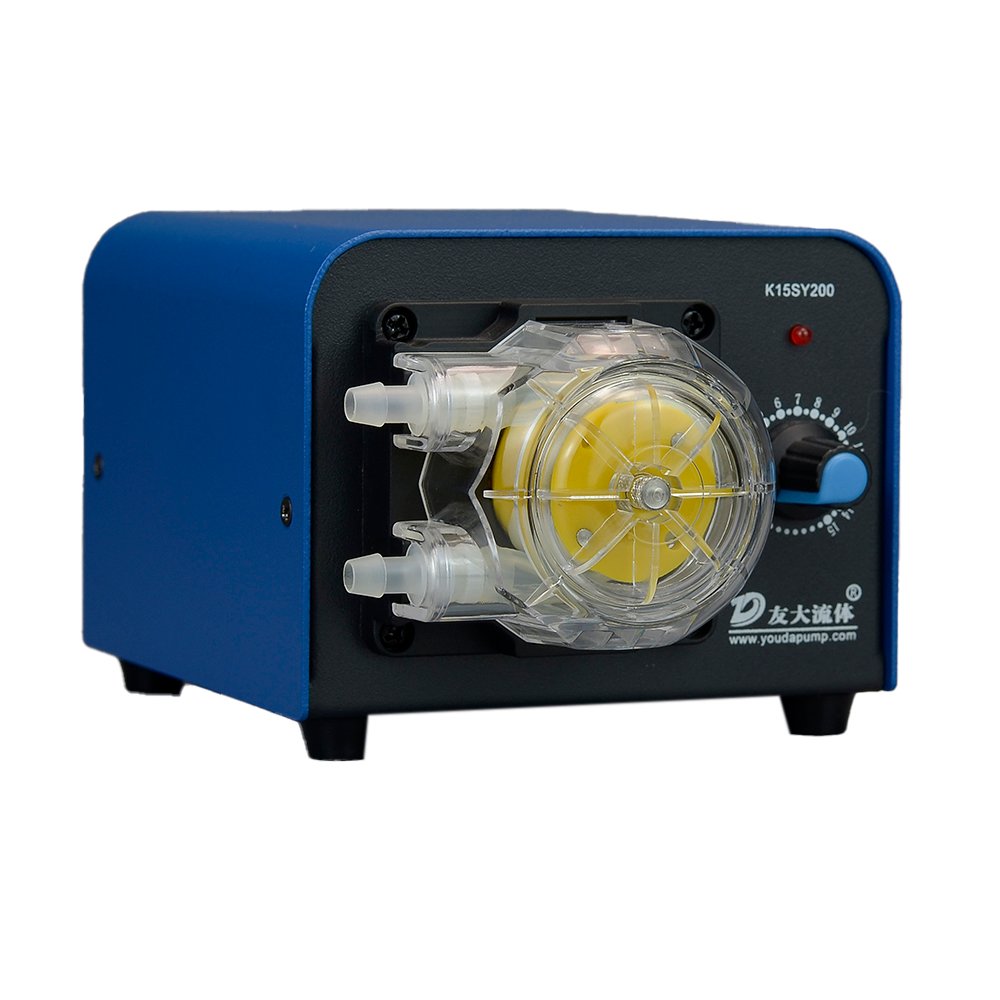
There are many ways to eliminate pulsation in a peristaltic pump, mainly divided into internal optimization and external coordination. 1. Internal Optimization: This refers to solving the problem from the principle of the peristaltic pump itself. It can be addressed by optimizing the pump’s structure. There are two effective methods: 1) Reducing the number of […]
How to distinguish between different sizes of peristaltic pumps tubing?
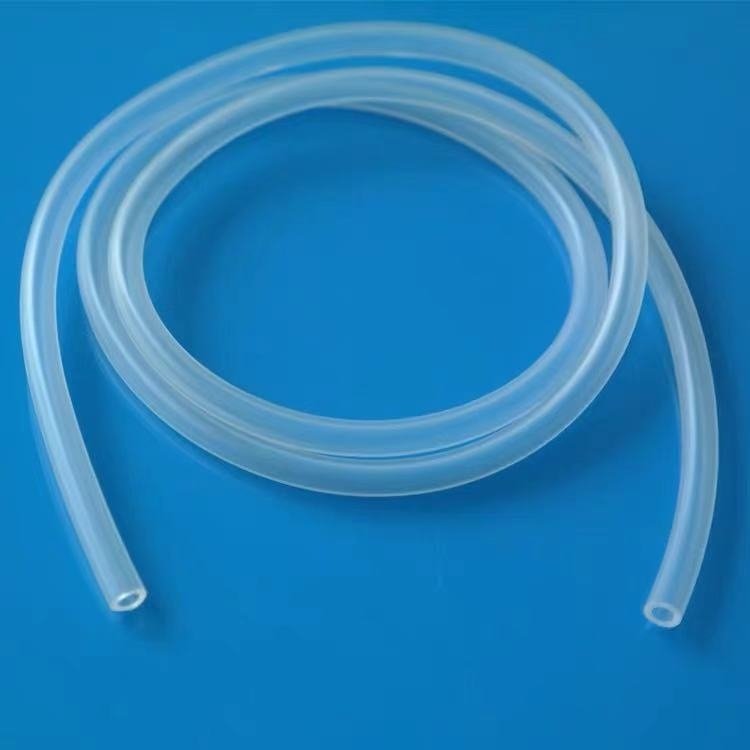
Peristaltic pumps are marked in two ways. One type uses “a*b” to indicate the inner diameter of the pump tubing, where “a” represents the inner diameter and “b” represents the wall thickness. For example, a 3*1 tubing indicates an inner diameter of 3mm, a wall thickness of 1mm, and an outer diameter of 5mm. Tubings […]
What is the difference between the inlet and outlet of a peristaltic pump?
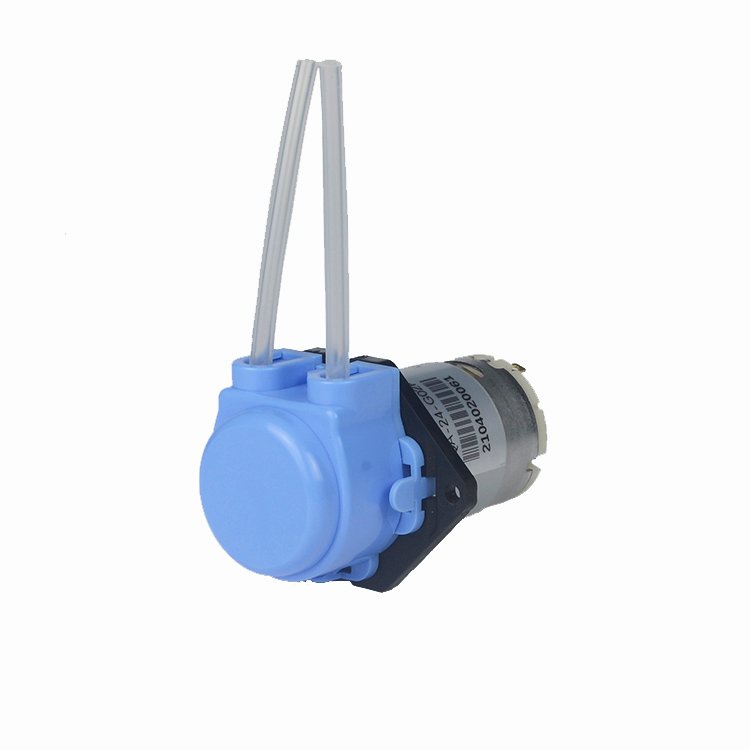
Like many pumps, peristaltic pumps also have inlets and outlets, but there are significant differences between them. 1. Pressure Difference: The pressure at the inlet is actually suction, generated by the rebound of the peristaltic pump tubing. This pressure is generally close to the wall thickness of the tubing; for example, the pressure of a […]
What are the differences between peristaltic pumps and diaphragm pumps?
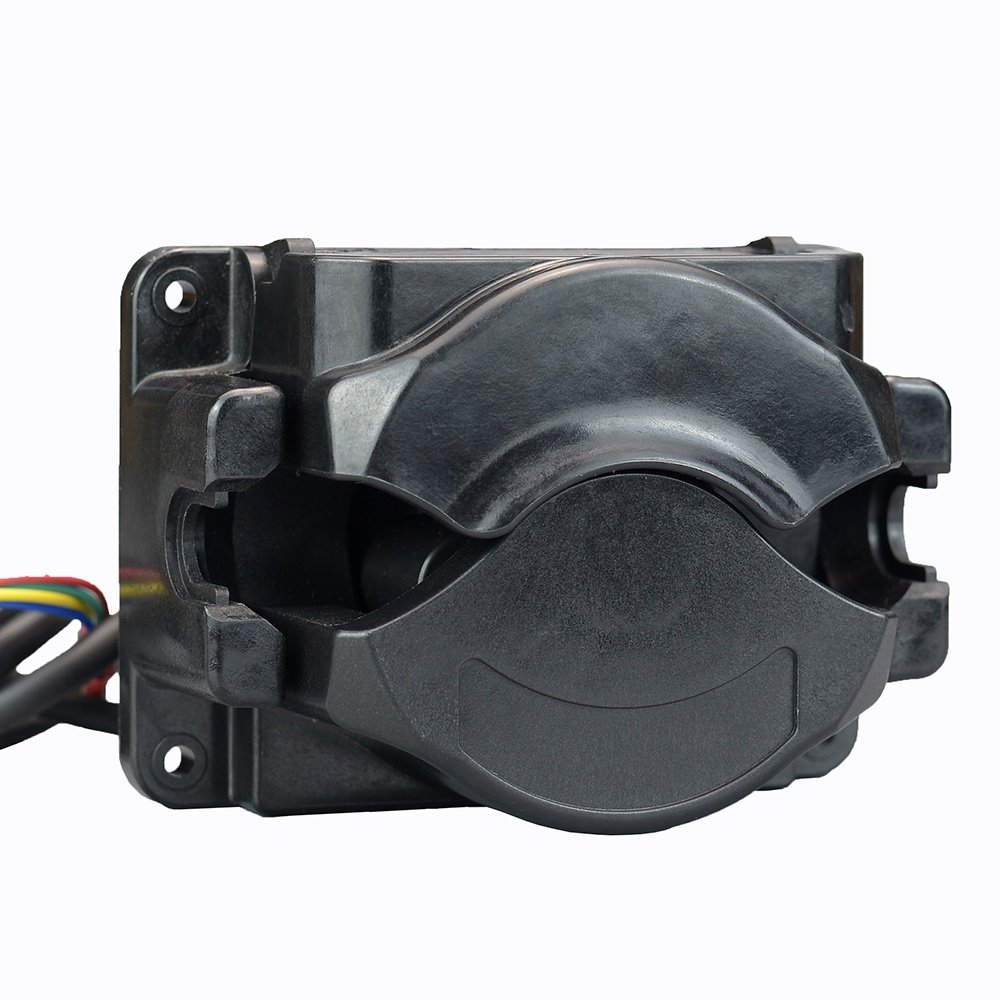
Peristaltic pumps and diaphragm pumps are two common types of positive displacement pumps. Their main differences lie in their working principles, structures, performance characteristics, and application scenarios. 1. Working Principle: Peristaltic pumps propel liquid media by squeezing the space between two rollers in a flexible tube, while diaphragm pumps utilize the reciprocating motion of a […]