
How long is the life of a peristaltic pump?
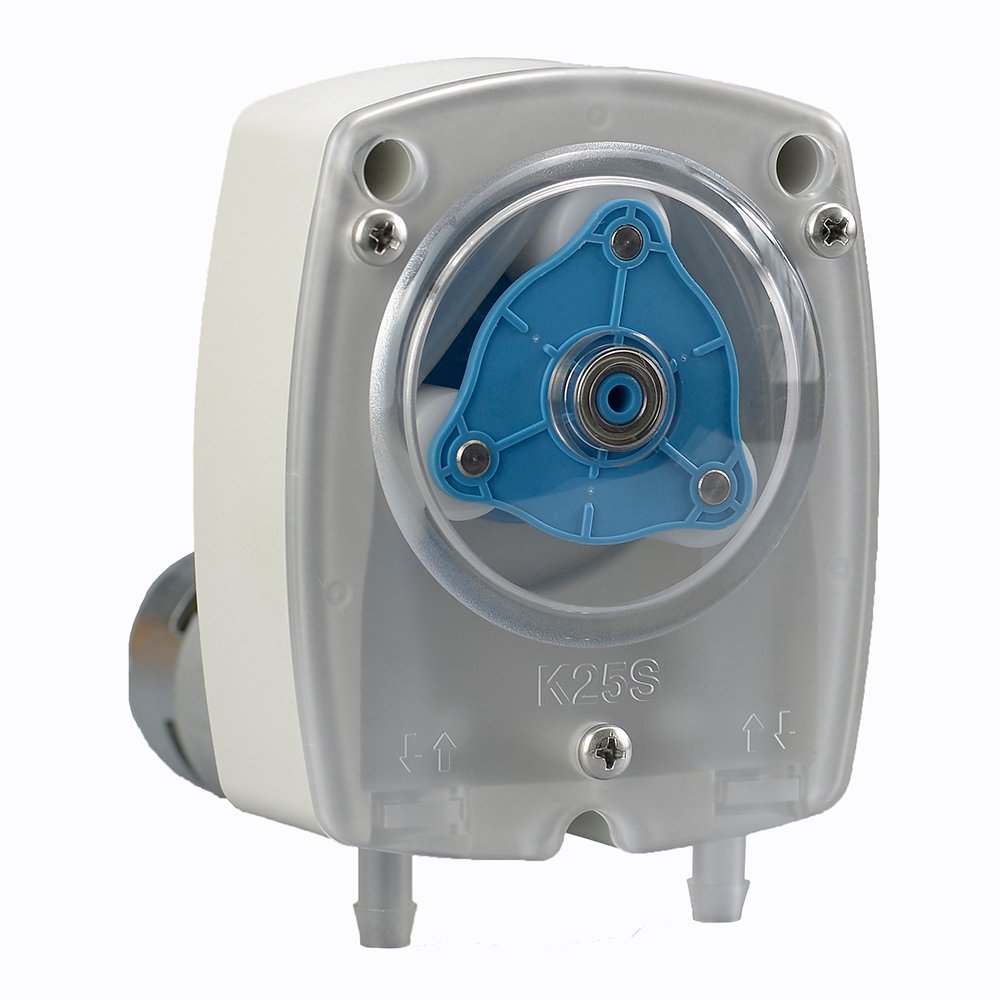
Generally, the pump body of a peristaltic pump does not experience wear and tear. Therefore, the life of a peristaltic pump mainly refers to the life of the motor and the pump tubing. 1. Motor Life: Different types of motors have different lifespans. Motor lifespan is expressed in hours, referring to the cumulative time of […]
How to understand the flow rate of a peristaltic pump?
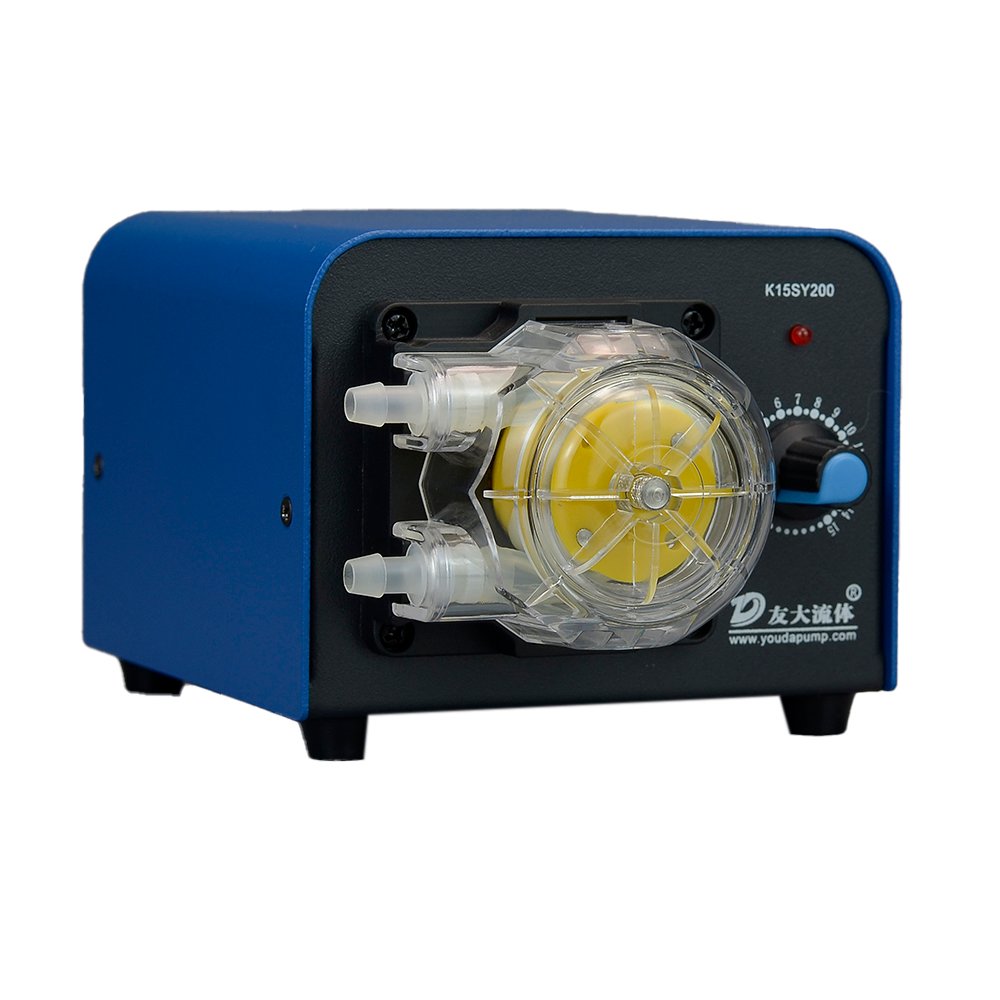
The flow rate of a peristaltic pump is measured in ml/min. It’s generally described as a range, such as 0-10 ml/min (or a-b). The actual flow rate is a number and is proportional to the pump’s rotational speed. The formula is: Rotational speed * Flow rate per revolution = Flow rate. 1. Rotational speed: The […]
What are some commonly used peristaltic pump tubing options?
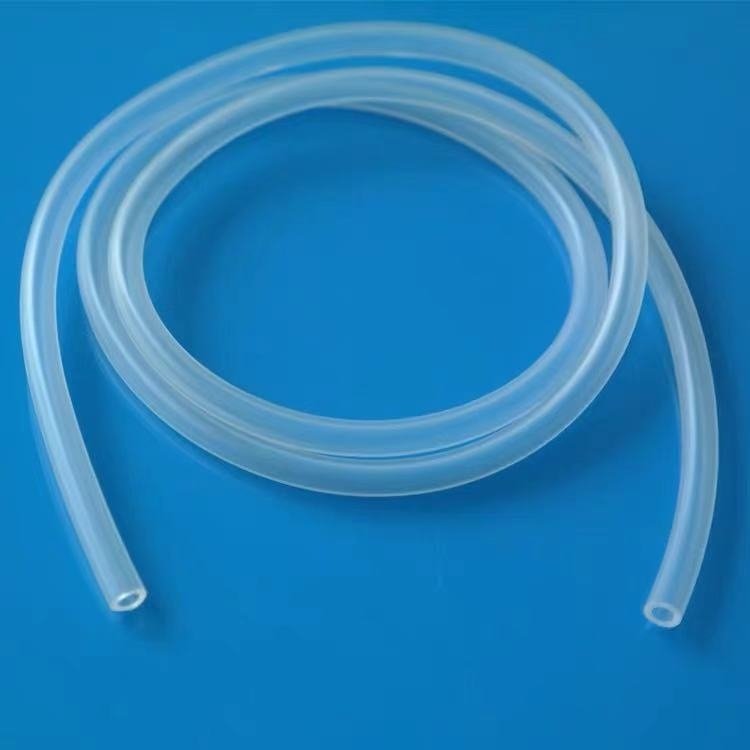
Common peristaltic pump tubing options include silicone tubing, Pharmed BPT tubing, A-60-G tubing, A-60-F tubing, Viton tubing, and Chemical tubing. 1.Silicone tubing, also known as platinum-cured silicone tubing, is a sanitary tubing manufactured using a platinum curing process. It features high temperature resistance (-60°C to 200°C) and low exudation, and is widely used in the […]
How to determine if a liquid medium can be transported by a peristaltic pump?
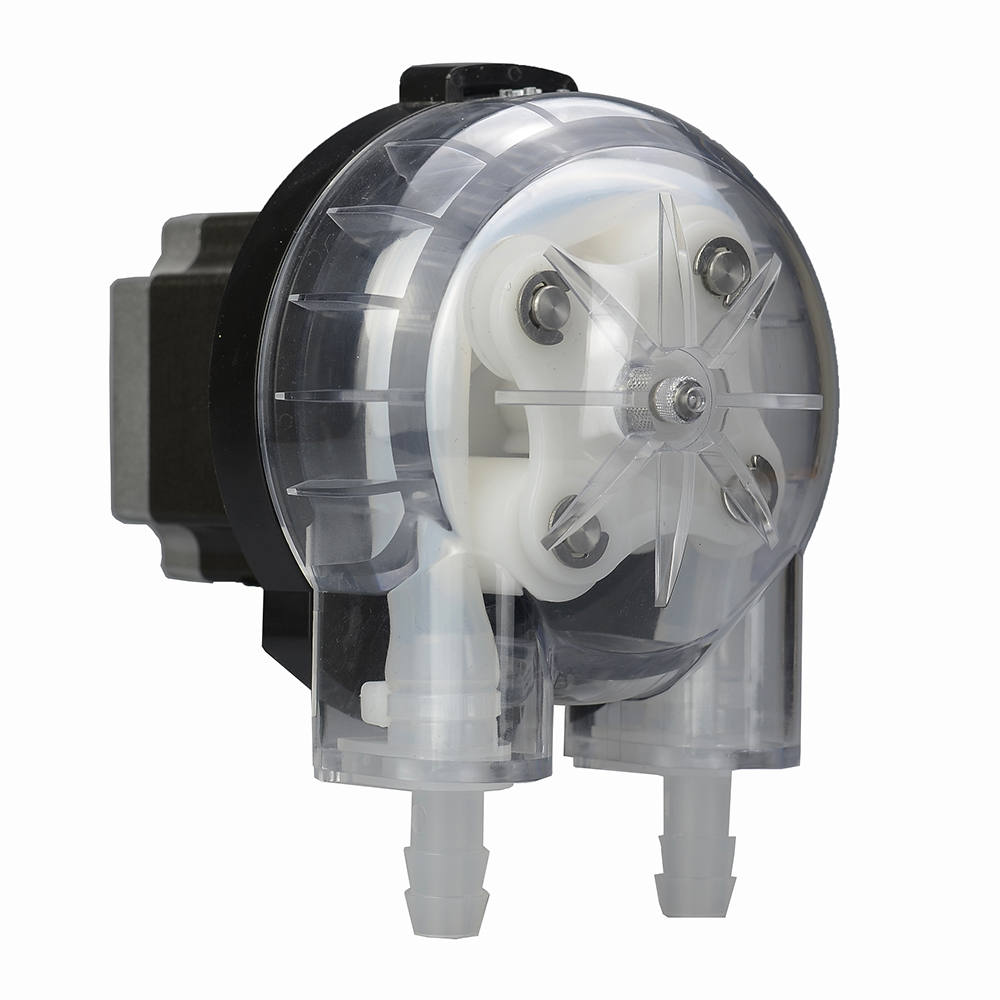
To determine if a peristaltic pump can transport a liquid medium, you can consider four aspects: viscosity, temperature, pressure, corrosiveness, and chemical state: 1) Liquid Viscosity: Viscosity affects the ease of transport by a peristaltic pump. We generally use absolute viscosity to indicate the viscosity of a liquid medium. Common liquid media viscosities are as […]
What industries can peristaltic pumps be used in?
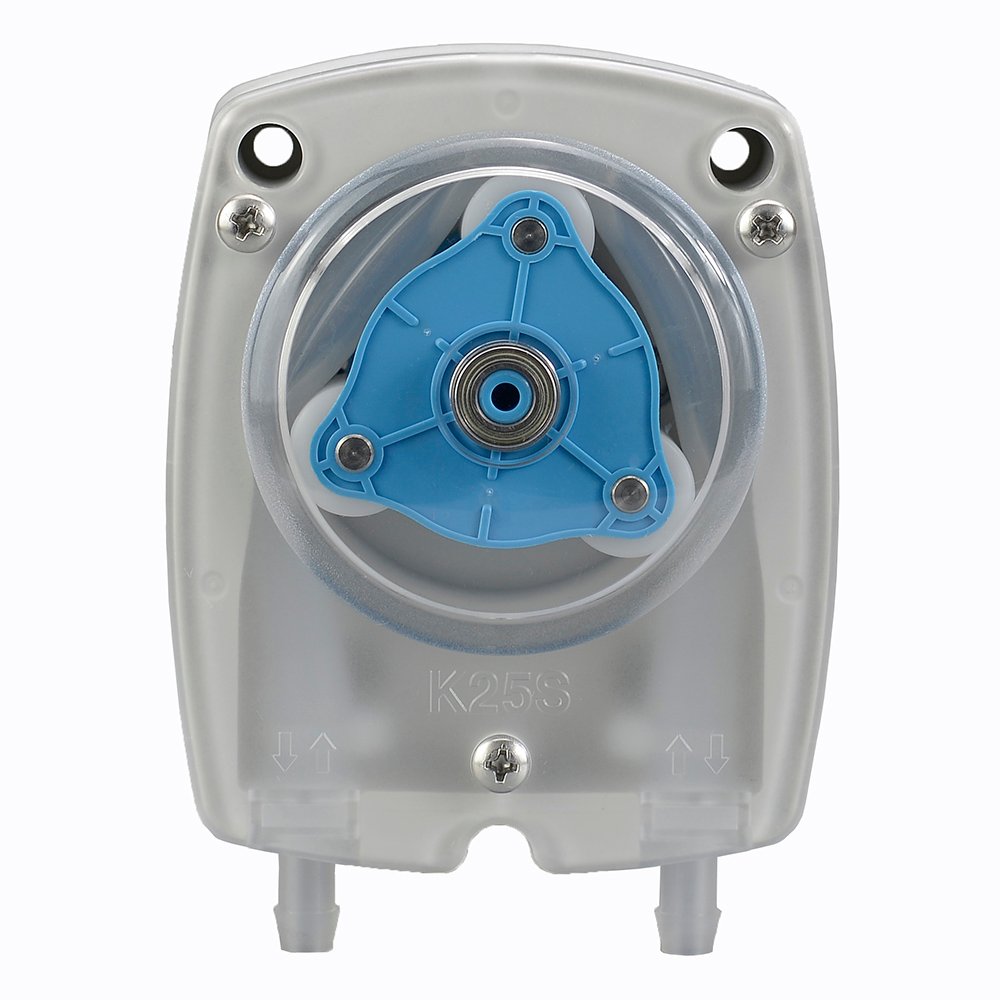
Peristaltic pumps can be used in most industries that require liquid transfer. Some notable industries include:
How to install an OEM peristaltic pump?
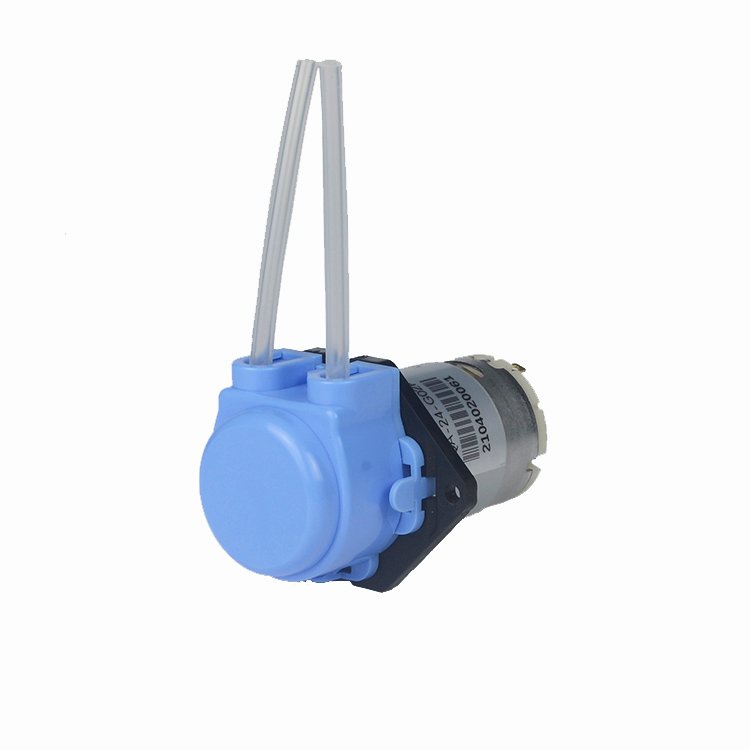
There are two main ways to install an OEM peristaltic pump: 1. Installing through the mounting holes on the peristaltic pump. In this case, a hole of the same size as the motor needs to be pre-drilled at the installation location, along with matching screw holes around the motor. This method is also known as […]
How to choose the peristaltic pump flow rate?
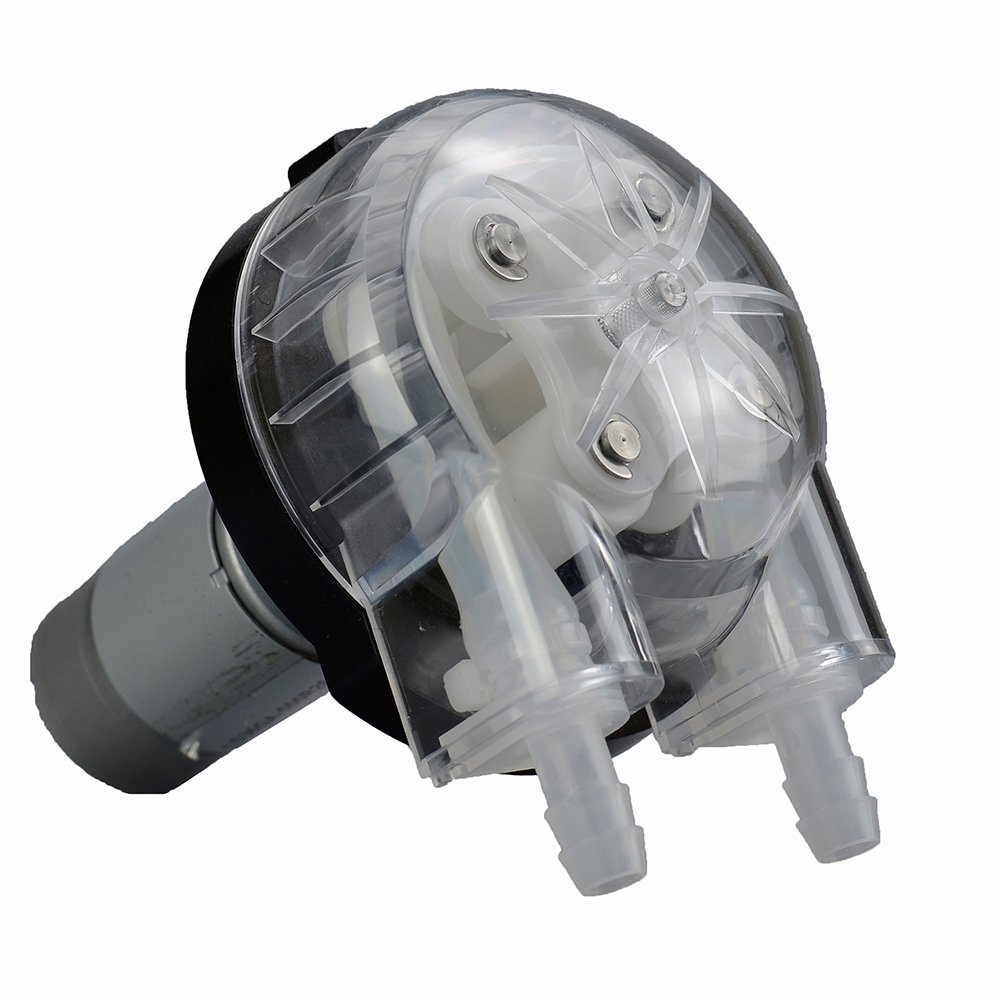
Many factors influence the flow rate of a peristaltic pump, primarily the following:
How to Choose a Peristaltic Pump for Vending Machines?
How does a peristaltic pump work?
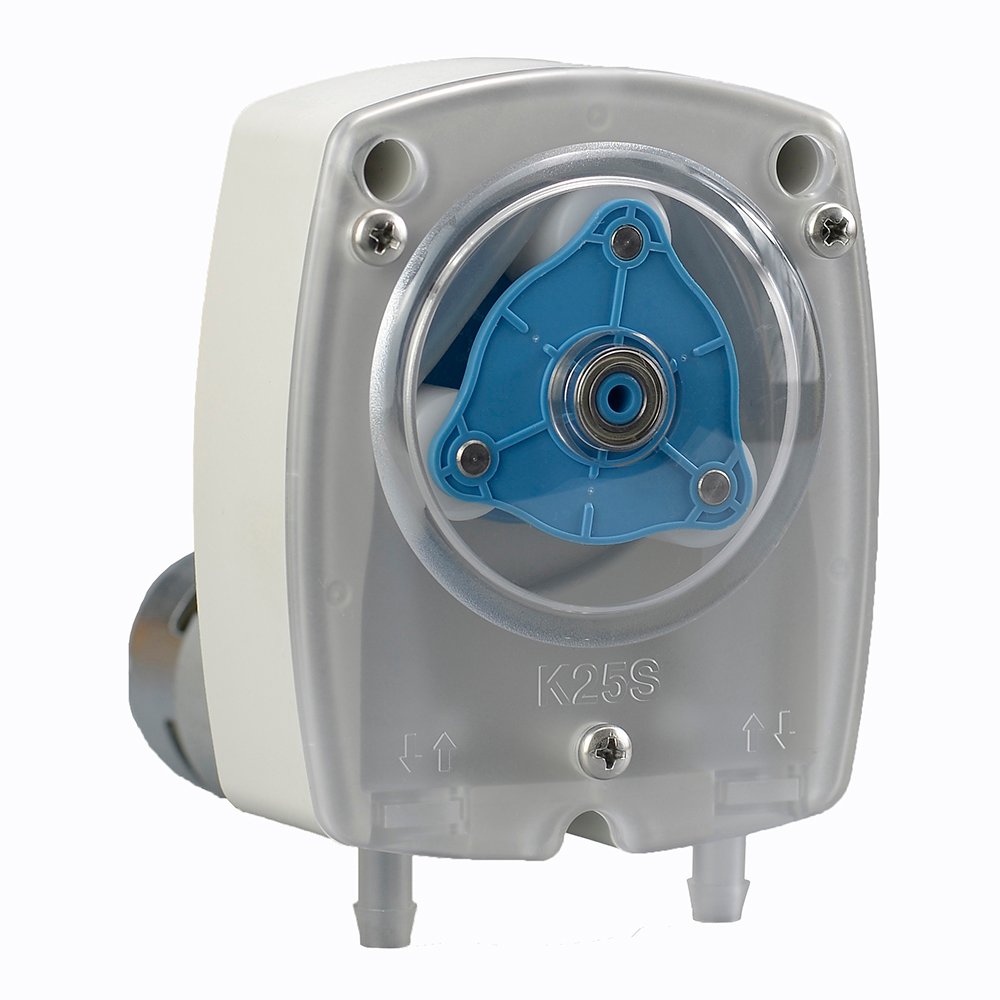
The operation of a peristaltic pump consists of three parts: start, operation, and stop (feedback).
What are the commonly used materials for peristaltic pumps?