
Sourcing OEM Peristaltic Pumps for Viscous Fluid Dosing: Procurement Guide
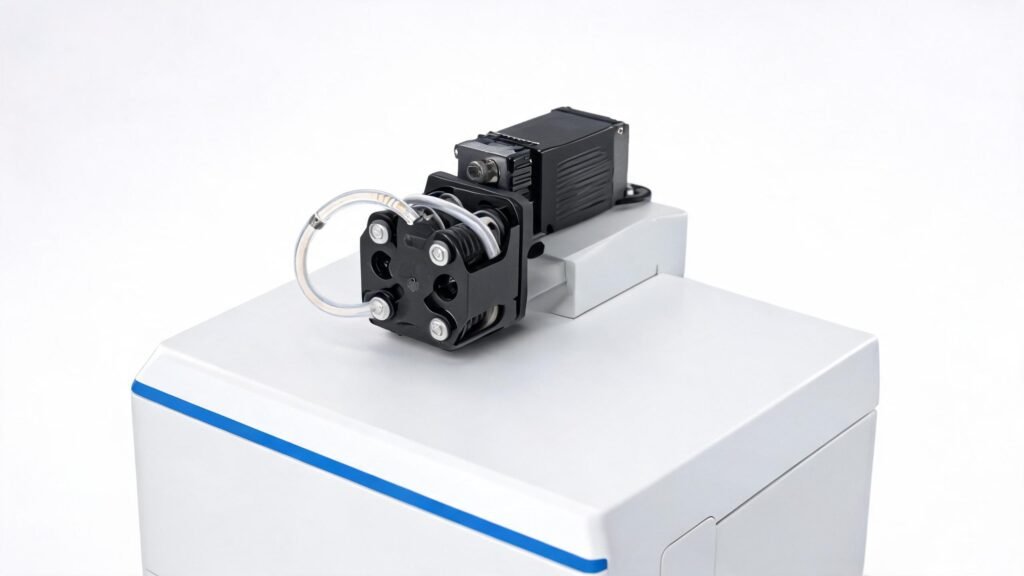
Pumps handling fluids above 1,000 centipoise behave differently from those moving water-like liquids. Tubing compression becomes harder, motor torque requirements increase, and flow accuracy depends on factors that do not matter at lower viscosities—suction lift, tube rebound time, and shear rate. For OEM equipment manufacturers building instruments that dispense glycerol, syrup, resin, lotion, or other […]
Peristaltic Pump Flow Problems in Food Filling Lines: Troubleshooting Guide
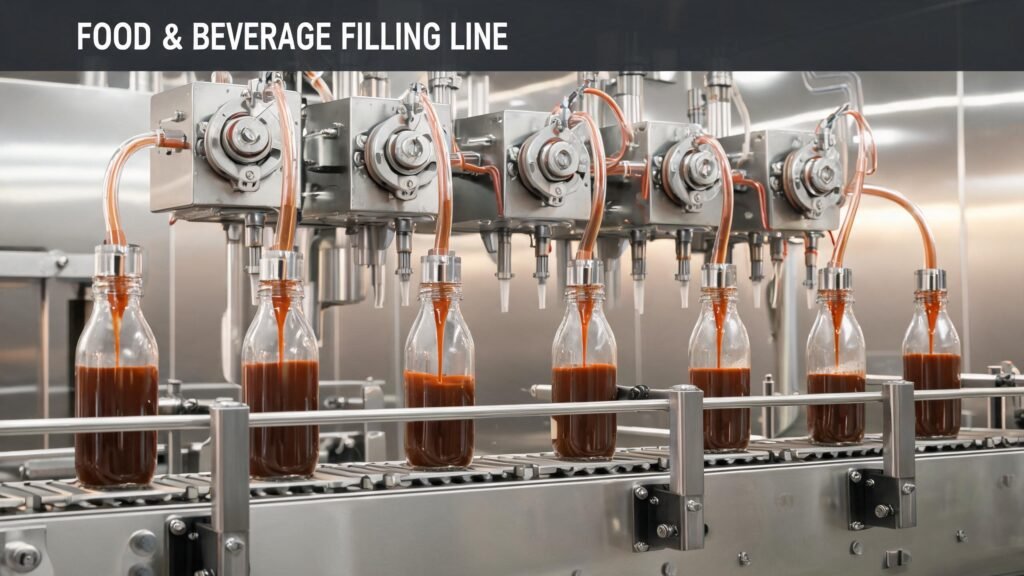
When a peristaltic pump on a food filling line starts delivering inconsistent fill volumes, the problem is rarely the pump motor. More often, the issue traces back to tubing wear, fluid property changes, or a mismatch between pump speed and filling cycle timing. Production managers at food and beverage plants across the United States deal […]
Peristaltic Pump vs Diaphragm Pump for Water Treatment Chemical Dosing
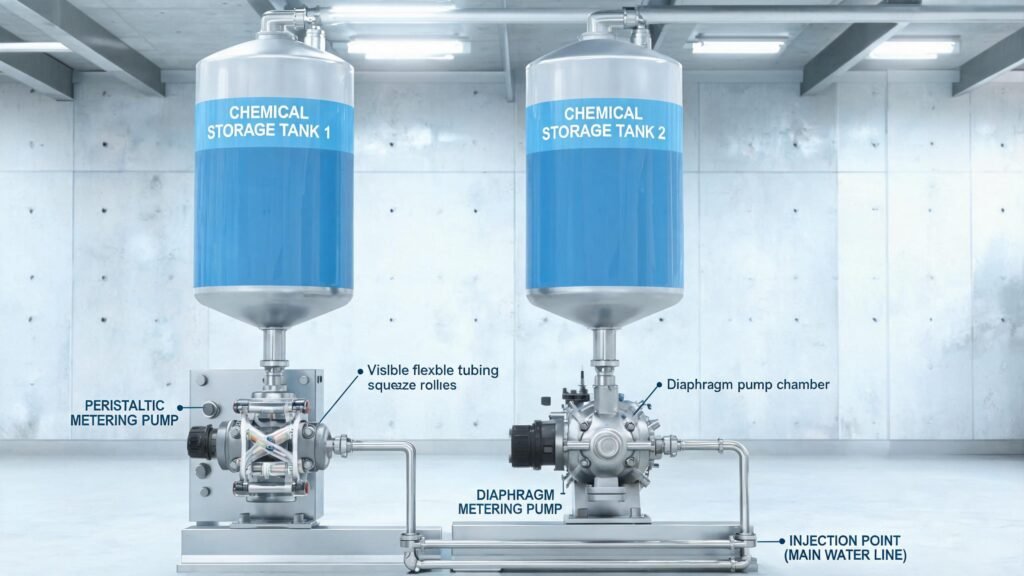
Water treatment plants dosing sodium hypochlorite, polymer coagulants, and lime slurry face a recurring question: should the metering pump be peristaltic or diaphragm? The choice affects dosing accuracy, maintenance frequency, chemical compatibility, and total cost of ownership. Engineers and procurement teams at municipal facilities and industrial plants in Germany and across Europe increasingly weigh these […]
Peristaltic Pump for Cosmetics Manufacturing: Engineering Guide for Filling and Dosing
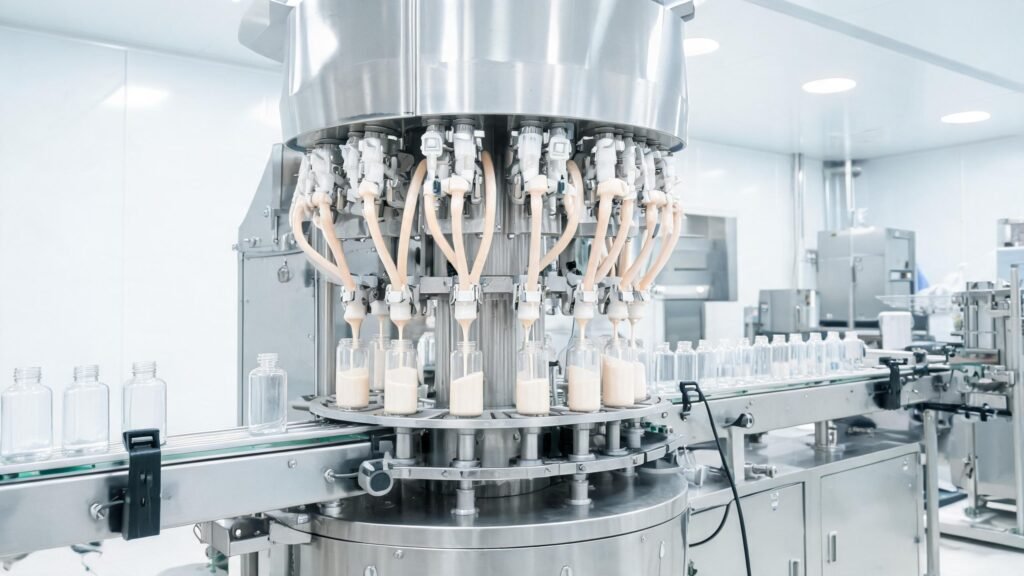
Cosmetics and personal care manufacturers face a specific set of fluid-handling challenges when filling bottles, jars, and tubes with products ranging from thin serums to thick creams. The viscosity of cosmetic formulations can exceed 10,000 centipoise, and the same production line may switch between products multiple times per shift. A peristaltic pump for cosmetics manufacturing […]
Peristaltic Pump for Dental Equipment: OEM Integration Guide for Dental Chairs and Treatment Units
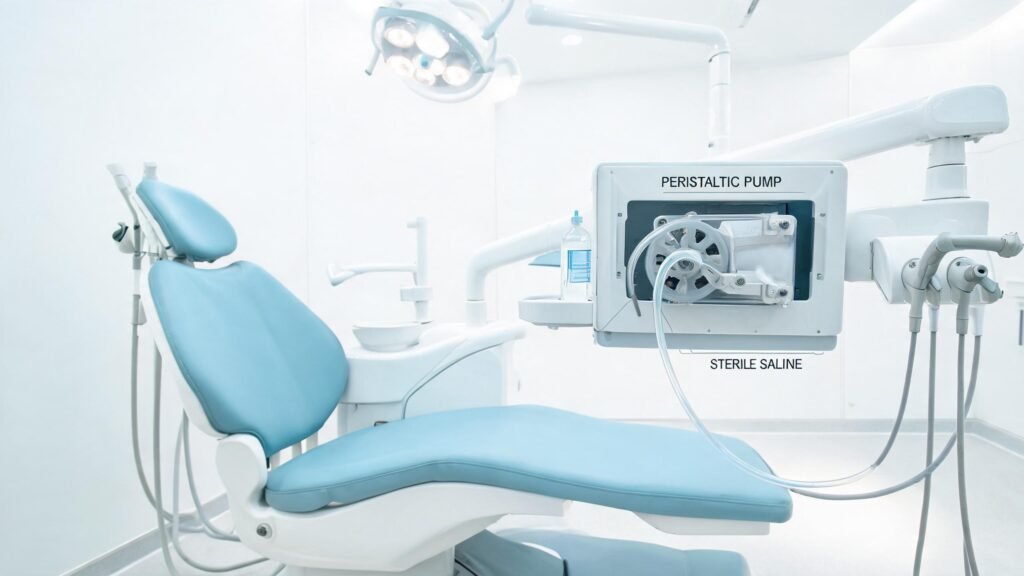
Dental equipment manufacturers building chairside units, implant motors, and operative treatment stations need compact fluid-delivery pumps that provide sterile fluid path isolation, precise flow control, and quiet operation. A peristaltic pump for dental equipment meets these requirements because the irrigating solution—typically sterile saline, distilled water, or antibacterial rinse—contacts only the inside of disposable tubing, never […]
Peristaltic Pump for Agriculture Fertilizer Dosing: Buyer’s Guide
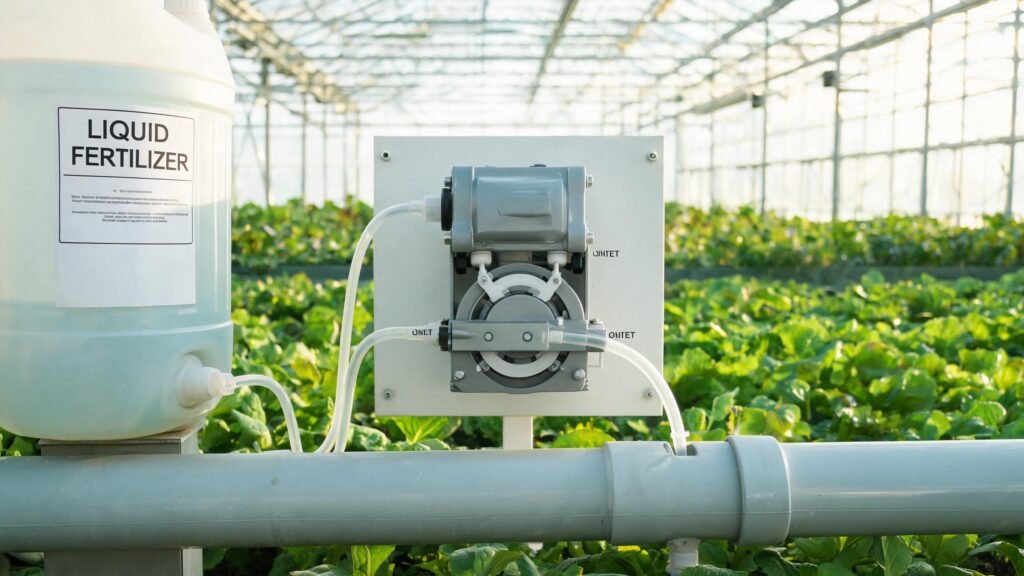
Fertigation systems that inject liquid fertilizer, nutrient solutions, and crop-protection chemicals into irrigation lines depend on metering pumps that can handle viscous, abrasive, and sometimes corrosive fluids. When agricultural equipment manufacturers and greenhouse integrators need a pump that isolates the fluid from the pump mechanism, a peristaltic pump with housing becomes the natural choice. The […]
OEM Fluid Path Design with Peristaltic Pumps: A Complete Engineering Workflow from Specification to Validation
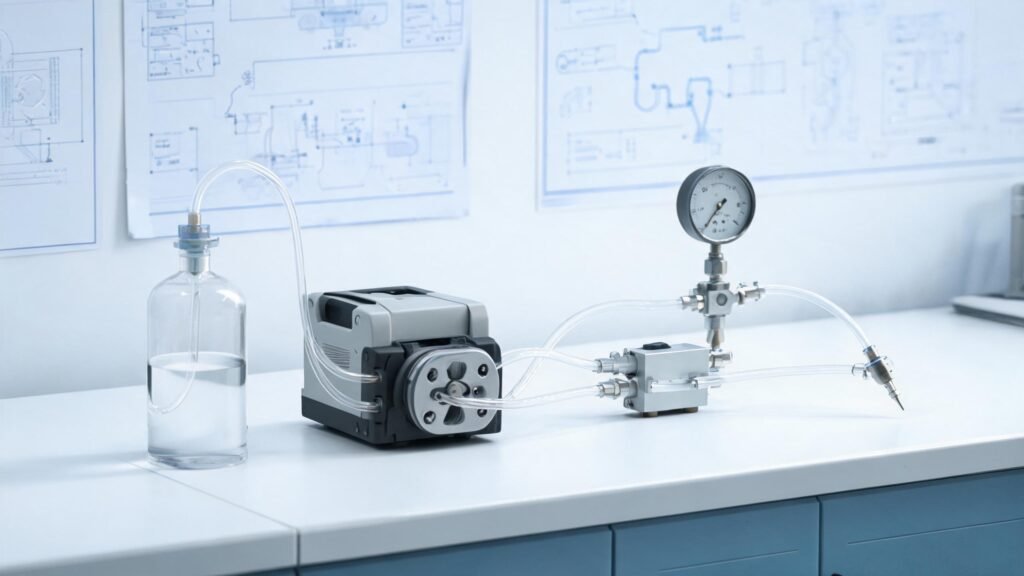
Most OEM instruments that fail in the field do not fail because a single component was defective. They fail because the fluid path—the complete chain of reservoir, pump, tubing, fittings, valves, and sensors—was never engineered as a system. A peristaltic pump specified in isolation may meet its datasheet flow range perfectly, yet still deliver unstable […]
Peristaltic Pump for Industrial Fermentation: Media Transfer, pH Control, and Nutrient Dosing
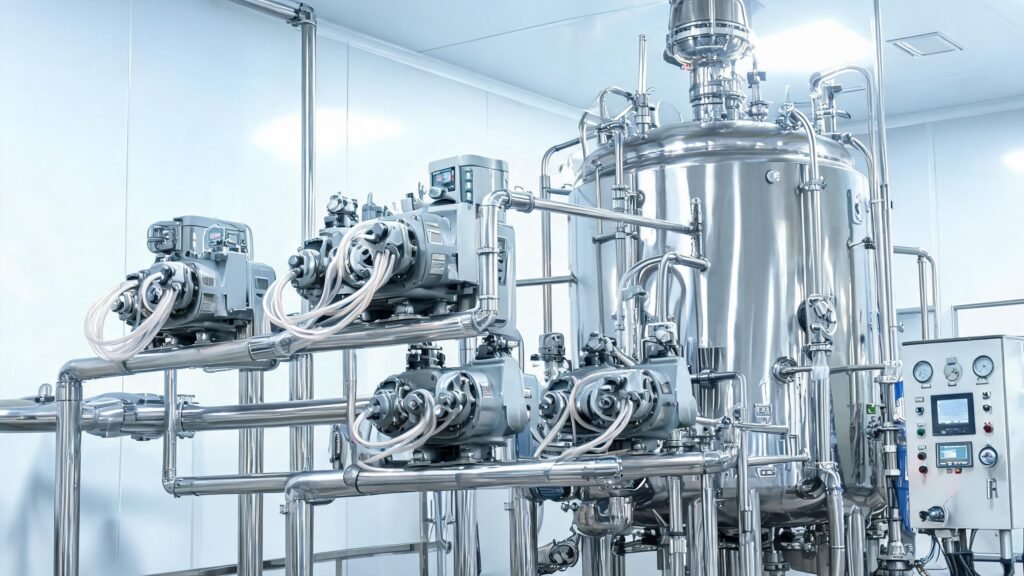
Industrial fermentation operations depend on precise fluid handling to maintain microbial growth conditions. Nutrient media must be supplied continuously or in scheduled feeds, pH must stay within narrow ranges through acid or base addition, and antifoam agents must be dosed before foam overflows the bioreactor. When these fluid-handling functions fail, batch yields drop, contamination risk […]
Peristaltic Pump for Chromatography and Analytical Instrumentation: Solvent Delivery and Fraction Collection
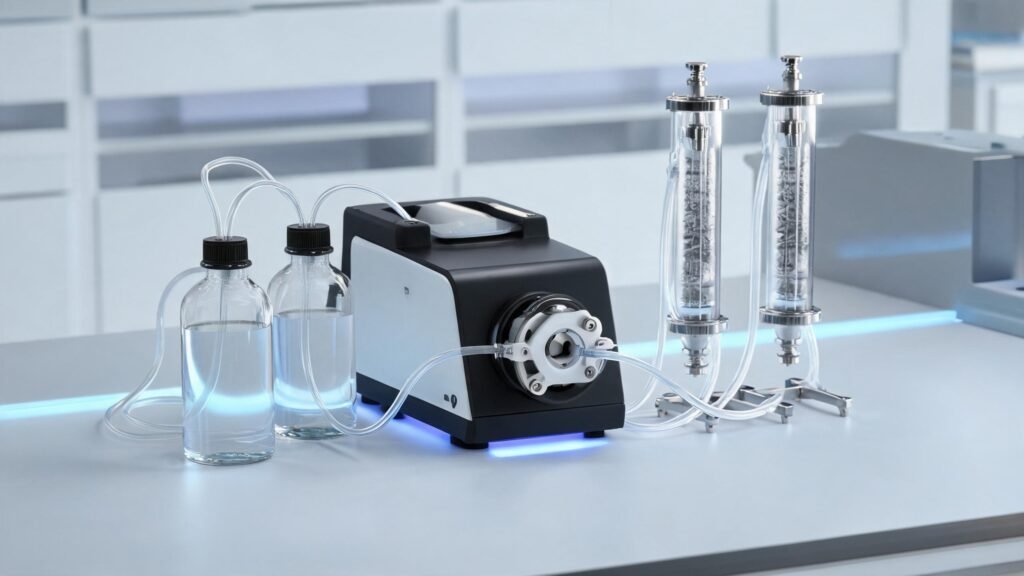
Chromatography systems, whether high-performance liquid chromatography (HPLC) or preparative-scale separations, rely on precise solvent delivery to maintain resolution and reproducibility. The pump must deliver mobile phase at a constant flow rate, often against significant backpressure from the analytical column. While many laboratories use piston or syringe pumps for this task, peristaltic pumps offer advantages in […]
Peristaltic Pump for IVD and Clinical Diagnostic Equipment: Reagent Delivery and Sample Handling
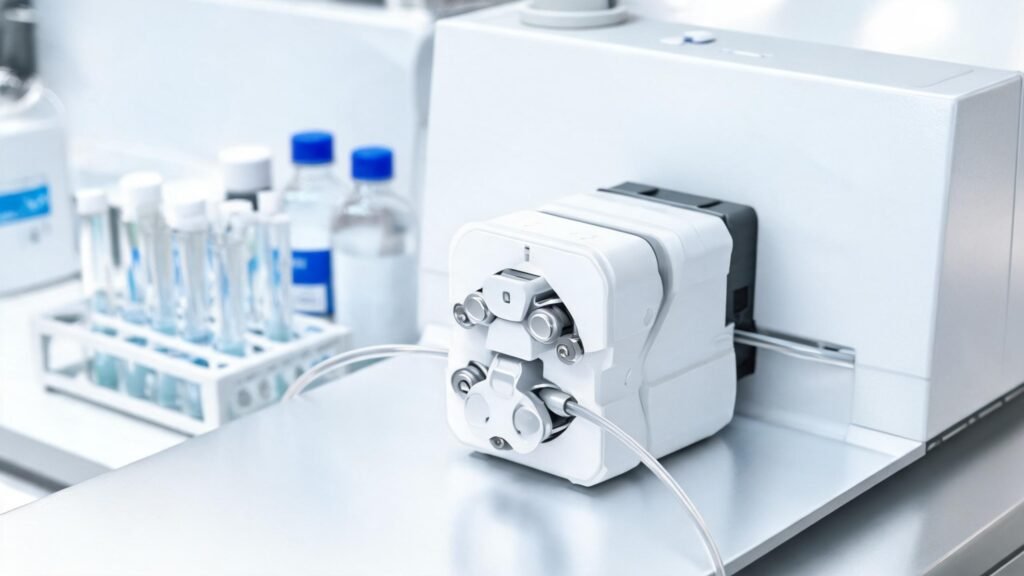
When designing an in vitro diagnostic (IVD) device, engineers face a recurring fluid-handling problem: how to move samples and reagents with precision, avoid cross-contamination between tests, and keep the fluid path disposable without adding complex valve assemblies. Peristaltic pumps address these requirements directly because the fluid contacts only the inner wall of the tubing, leaving […]