
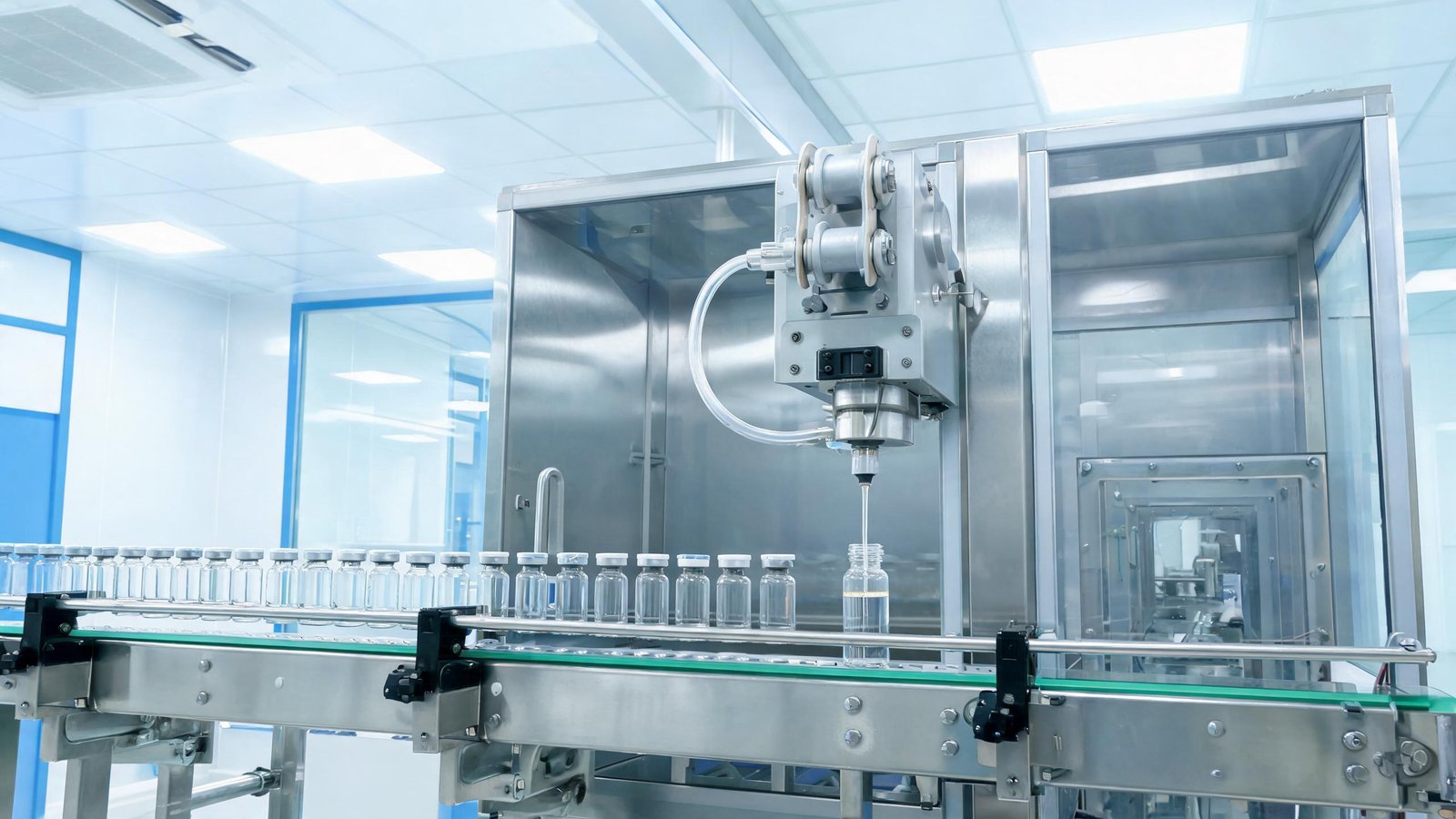
Pharmaceutical filling lines demand dosing accuracy within one percent of target volume, sterility assurance levels of 10⁻⁶, and zero cross-contamination between batches. The pump selected for liquid filling operations directly determines whether a batch meets these requirements or becomes a reject. Selecting a peristaltic pump for pharmaceutical filling requires understanding where this technology excels and where alternative designs may be more appropriate. Peristaltic pumps have become a standard choice for aseptic filling because the fluid contacts only disposable tubing, eliminating the need for pump cleaning validation between product changeovers. However, peristaltic designs are not universally optimal for every pharmaceutical filling application, and engineers must understand the trade-offs against piston pumps, time-pressure filling, and rotary valve systems before specifying equipment.
This comparison examines how peristaltic pumps perform relative to alternative filling technologies across the parameters that matter most in pharmaceutical manufacturing: dosing accuracy, product integrity, regulatory compliance, maintenance burden, and cost of ownership. The analysis draws on requirements from EU GMP Annex 1, FDA 21 CFR Part 211, and USP material standards.
What Makes the Filling Pump Options Different
Pharmaceutical filling lines use four primary pump technologies: peristaltic, piston (syringe), time-pressure, and rotary valve. Each operates on a fundamentally different fluid-displacement principle, and these differences determine where each technology fits in the filling landscape.
Peristaltic pumps compress flexible tubing with rotating rollers, isolating the product within a single-use fluid path. Piston pumps use a precision-machined cylinder and plunger to displace a fixed volume with each stroke. Time-pressure systems control flow by regulating the pressure differential across a fixed orifice over a calibrated time interval. Rotary valve pumps use a rotating chamber that traps and dispenses a measured volume of liquid.
The critical distinction for pharmaceutical applications is the product-contact surface. Peristaltic pumps confine the drug product to tubing that is replaced between batches, while piston, time-pressure, and rotary valve pumps have reusable product-contact surfaces that require cleaning, sterilization, and validation. Under EU GMP Annex 1, single-use systems reduce contamination risk by eliminating cleaning residues and minimizing the number of product-contact components that must be sterilized between batches.
Dosing Accuracy and Fill Volume Control
Filling accuracy is the primary performance metric for any pharmaceutical filling pump. Regulatory requirements for fill volume are defined in USP General Chapter <1151> Pharmaceutical Dosage Forms, which establishes acceptable limits for fill volume variation based on container nominal volume. For small-volume parenterals (under 50 mL), the compendial requirement is typically plus or minus 1% of target fill volume.
Piston pumps achieve the highest baseline accuracy because the displacement volume is mechanically fixed by the cylinder bore and stroke length. Under controlled viscosity conditions, piston pumps can maintain fill accuracy of plus or minus 0.5% or better. However, piston pump accuracy degrades when fluid viscosity changes during a filling run, because the seal friction and compressibility effects differ from calibration conditions.
Peristaltic pumps deliver dosing accuracy through rotational control rather than mechanical displacement. Stepper motor-driven peristaltic pumps can achieve fill accuracy of plus or minus 1% for volumes above 1 mL when calibrated with the actual product fluid. The K15 micro peristaltic pump, designed for high-precision low-flow applications with a maximum flow rate of 350 ml per minute, demonstrates the capability of modern peristaltic designs for small-volume pharmaceutical dosing. Accuracy depends on tubing condition, motor resolution, and fluid properties, requiring periodic recalibration during extended filling runs.
| Filling Parameter | Peristaltic Pump | Piston Pump | Time-Pressure |
|---|---|---|---|
| Typical accuracy (% of target) | +/- 1% (calibrated) | +/- 0.5% | +/- 1-2% |
| Product contact surface | Disposable tubing only | Reusable cylinder/plunger | Reusable nozzle/manifold |
| Cleaning validation required | No (tubing replaced) | Yes (CIP/SIP) | Yes (CIP/SIP) |
| Shear stress on product | Low to moderate | Moderate to high | Low |
| Viscosity sensitivity | Moderate | High | Very high |
| Changeover time between products | 5-15 minutes | 30-60 minutes | 45-90 minutes |
Product Integrity and Shear Sensitivity
Biologic drug products, including monoclonal antibodies, vaccines, and cell therapies, are sensitive to mechanical shear. Protein aggregation induced by pumping stress can reduce potency and trigger immunogenic responses. The filling pump must therefore deliver the product without generating shear forces that denature protein structures.
Peristaltic pumps apply shear through tubing compression, which is distributed along the contact arc between rollers and tubing. The peak shear rate in a peristaltic pump depends on roller diameter, rotational speed, tubing wall thickness, and fluid viscosity. At typical filling speeds for 2-10 mL vials, the shear exposure in a peristaltic pump is lower than in a piston pump, where the fluid experiences acceleration and deceleration through valve transitions and plunger displacement cycles. For shear-sensitive biologics, peristaltic pumps with larger-diameter rollers and slower rotational speeds can reduce protein stress compared to high-speed piston systems.
Time-pressure filling offers the lowest shear exposure because the fluid flows continuously through a smooth-bore nozzle without mechanical displacement. However, time-pressure systems require tight viscosity control and are sensitive to product temperature changes, which limits their applicability to fluids with stable rheological properties.
Tubing Considerations for Pharmaceutical Filling
Tubing selection for pharmaceutical filling is not a commodity decision. The tubing material directly affects dosing accuracy, product compatibility, and regulatory compliance. Pharmaceutical-grade tubing must meet USP Class VI plastic testing requirements, which evaluate the biological reactivity of the material through systemic injection, intracutaneous, and implantation tests. Materials certified to USP Class VI standards have demonstrated low levels of extractable substances and low biological reactivity, reducing the risk of product contamination from leachable compounds.
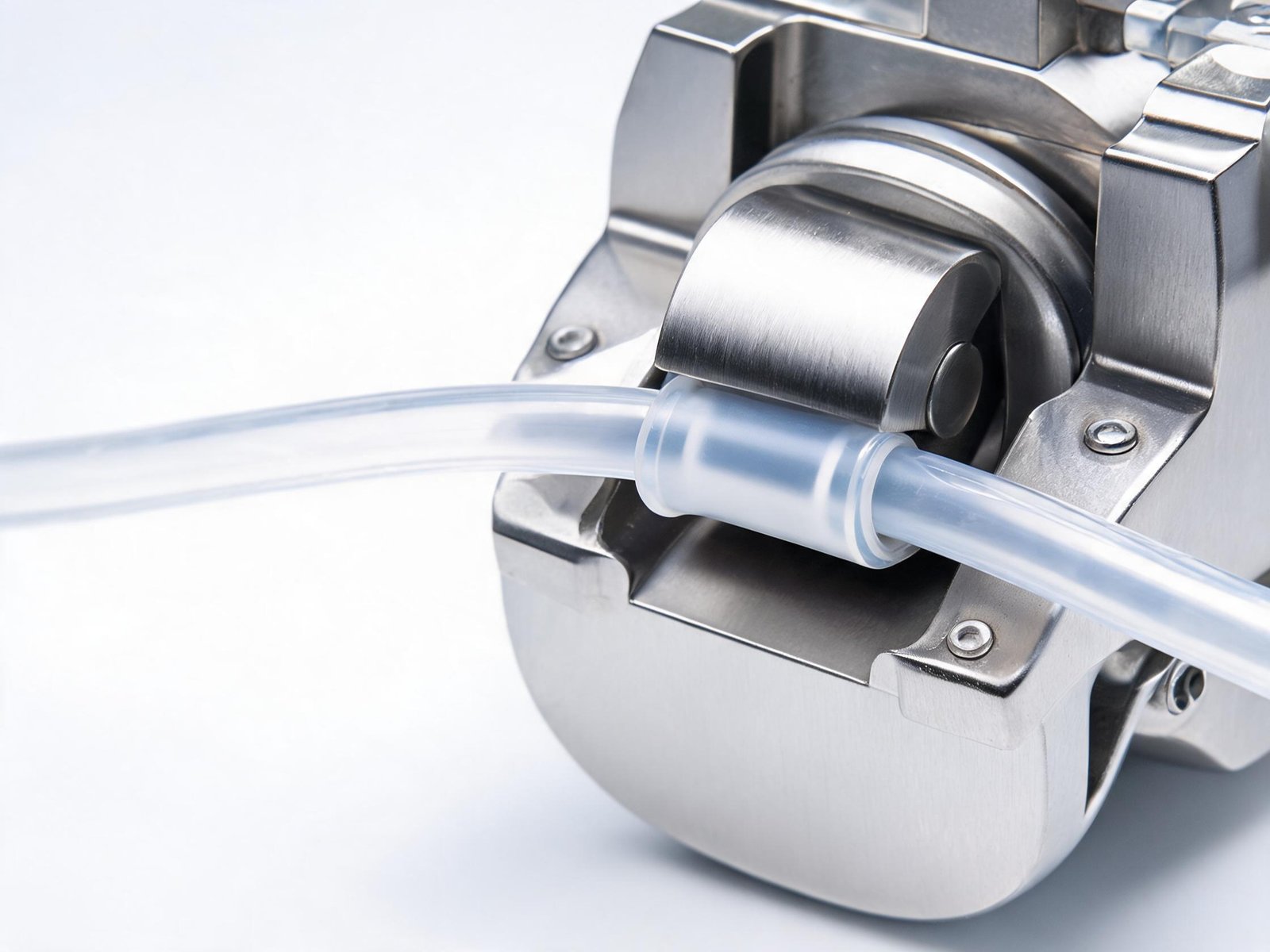
Platinum-cured silicone tubing is the most common choice for peristaltic filling pumps in pharmaceutical applications because it offers good mechanical resilience, broad chemical compatibility, and low extractable profiles. Pharmaceutical-grade tubing qualified to USP Class VI standards demonstrates the material certification requirements that pharmaceutical filling operations must verify before pump integration. However, tubing fatigue life varies significantly between formulations. Standard platinum-cured silicone tubing may require replacement after 8-12 hours of continuous peristaltic operation, while advanced formulations with optimized hysteresis properties can extend pump life by a factor of three to four. The peristaltic pump tube options available from YOORAIN include materials suitable for pharmaceutical-grade applications where chemical compatibility and tubing longevity are critical.
For filling operations handling concentrated active pharmaceutical ingredients or aggressive solvents, EPDM or PTFE tubing may provide better chemical resistance than silicone. Material selection should be documented in the equipment qualification file with supporting compatibility data from the tubing manufacturer.
Regulatory Compliance and Equipment Qualification
Filling equipment must comply with the regulatory framework governing pharmaceutical manufacturing in the target market. FDA 21 CFR Part 211, Subpart D, requires that equipment surfaces in contact with drug products not be reactive, additive, or absorptive in ways that alter product safety, identity, strength, quality, or purity. The regulation also requires written procedures for equipment cleaning and maintenance. The full text of these FDA Current Good Manufacturing Practice regulations for finished pharmaceuticals defines the equipment construction and cleaning requirements that drive the single-use adoption trend.
For reusable pump systems such as piston and rotary valve pumps, this means establishing validated cleaning procedures with documented evidence that residues are reduced to acceptable limits after each cleaning cycle. Cleaning validation for multi-product filling lines requires extensive analytical testing, including swab samples, rinse water analysis, and stability studies to confirm that cleaning residues do not affect subsequent product batches.
Peristaltic pumps with single-use tubing eliminate cleaning validation for the fluid path. The tubing is discarded after each batch or campaign, and a new sterilized tubing set is installed for the next product. This reduces validation burden, eliminates the risk of cross-contamination from incomplete cleaning, and shortens changeover time. Under EU GMP Annex 1 and FDA expectations for single-use systems, the regulatory focus shifts from cleaning validation to supplier qualification, material certification, and integrity testing of the single-use assemblies.
Equipment qualification for peristaltic filling systems follows the standard IQ/OQ/PQ framework. Installation Qualification verifies that the pump, tubing, and control system are installed correctly. Operational Qualification confirms that the pump delivers the specified flow rate and accuracy across the intended operating range. Performance Qualification demonstrates that the filling system maintains accuracy and sterility during actual production conditions with the specific drug product.
Maintenance and Operational Considerations
The maintenance profile of a peristaltic filling pump differs fundamentally from piston and rotary valve alternatives. Peristaltic pumps require regular tubing replacement, which is a planned, predictable maintenance activity that can be scheduled between batches. The K25 small peristaltic pump provides an alternative for mid-range filling applications where a compact footprint is needed without sacrificing flow control. The YZ15 easy load peristaltic pump head is designed for quick tubing changes, with SUS304 rollers and a dust-proof rear cover that supports cleanroom maintenance procedures.
Piston pumps require periodic seal replacement, plunger inspection, and valve seat refurbishment. These maintenance tasks require skilled technicians and may involve disassembly of the pump head in a controlled environment. The maintenance cost for a peristaltic pump over a five-year period is typically lower than for a piston pump of equivalent capacity, primarily because the critical wear component (tubing) is an inexpensive consumable rather than a precision-machined part.
For filling line manufacturers integrating pumps into automated equipment, the control interface and mechanical mounting flexibility are important. The peristaltic pump with housing provides a touchscreen interface, flow calibration functions, and timing control that can integrate with higher-level filling line control systems through external control modes.
Cost of Ownership Over the Equipment Lifecycle
| Cost Factor | Peristaltic Pump | Piston Pump | Time-Pressure System |
|---|---|---|---|
| Initial equipment cost | Low to moderate | Moderate to high | High |
| Consumable cost per batch | Tubing set | Seals, gaskets | Filters, nozzle tips |
| Cleaning validation cost | None (single-use) | Significant | Significant |
| Changeover labor time | Low | Moderate | Moderate to high |
| Preventive maintenance | Tubing replacement only | Seal, plunger, valve service | Pressure sensor calibration |
| Risk of batch loss (contamination) | Low | Moderate | Moderate |
For high-volume, single-product filling lines, piston pumps may offer lower per-unit cost because the capital investment is amortized over millions of doses without changeover. For multi-product facilities, contract manufacturers, and biologics where batch sizes are smaller and product changeover is frequent, peristaltic pumps reduce total cost of ownership by eliminating cleaning validation, reducing changeover time, and minimizing the risk of cross-contamination losses.
Specification Checklist
| Specification Item | Requirement | Verification Method |
|---|---|---|
| Fill volume range | Minimum and maximum dose | Product specification review |
| Required accuracy | +/- % of target fill volume | USP <1151> compendial limits |
| Product shear sensitivity | Protein concentration, aggregation limits | Formulation data sheet |
| Fluid viscosity range | Operating temperature and concentration | Rheology test report |
| Tubing material | USP Class VI certified | Supplier material certificate |
| Tubing life target | Hours of continuous operation | PQ run-life test |
| Motor type and control | Stepper for precision, AC for throughput | Equipment specification |
| Cleaning validation requirement | Single-use (none) or CIP/SIP | Regulatory impact assessment |
| Regulatory framework | FDA, EMA, or local GMP | Market authorization requirements |
| Equipment qualification | IQ/OQ/PQ documentation | Validation master plan |
| Batch size and campaign length | Units per batch, batches per campaign | Production schedule |
| Cleanroom classification | ISO 14644 class (Grade A/B/C/D) | Facility environmental monitoring |
For pharmaceutical filling line manufacturers and contract development organizations evaluating pump technology, the decision between peristaltic and piston systems should be based on the specific product profile, batch frequency, and regulatory requirements. Providing the fill volume range, product sensitivity data, and regulatory framework can help suppliers recommend the appropriate pump configuration. If you are developing filling equipment for pharmaceutical or biopharmaceutical applications, you can contact YOORAIN to discuss the fluid-handling requirements of your system.