
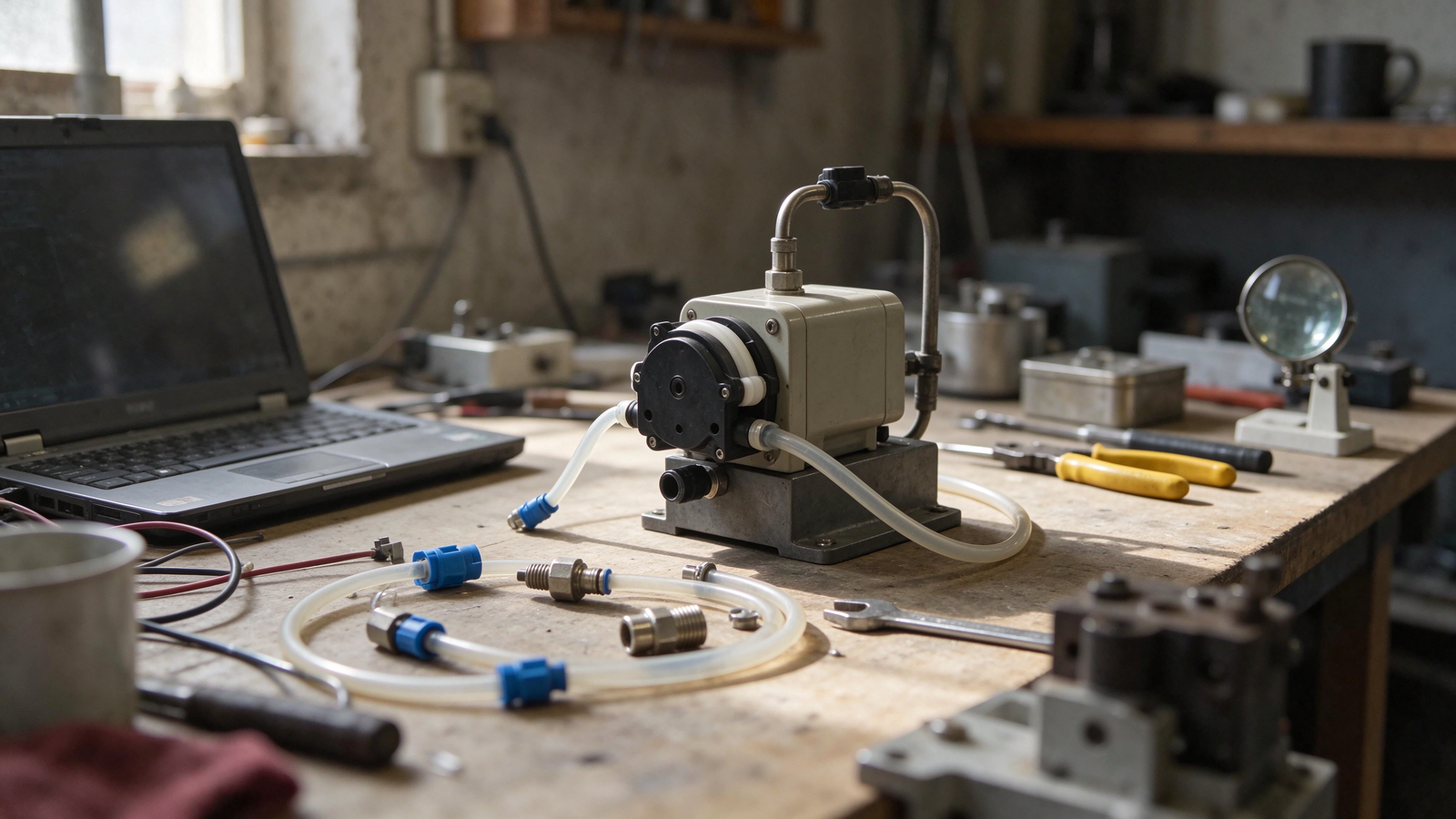
Buyers comparing peristaltic pump suppliers often focus on the unit price, the head size, and the listed flow range, and leave warranty and after-sales support to the fine print. For an industrial or OEM purchase, the pump that arrives on time and at a good price still has to be supported when the consumable wears, a fitting does not match, or the duty changes after installation. How a supplier handles warranty claims, spare consumables, technical questions, and replacement parts decides whether a low purchase price stays low over the pump’s service life. This procurement guide covers what to verify in the warranty and support terms, the questions to ask before ordering, the spare-part and consumable coverage to confirm, and the red flags that should push a buyer to look elsewhere.
Why After-Sales Terms Matter for a Peristaltic Pump
A peristaltic pump is a consumable-driven product. The tube is a scheduled wear part that has to be replaced over time, and the head, drive, and fittings may need support as the equipment runs. Unlike a sealed fixed assembly, the tube pump has a wetted part that ages with each occlusion, so the supplier’s ability to supply matching consumables and answer compatibility questions after the sale is part of the product value. A supplier that can only sell the initial unit but cannot confirm tube material, bore, or replacement head later leaves the buyer to source consumables on the open market, where a mismatch in bore or material can change the delivered dose.
Support also matters during selection and commissioning. Buyers who are matching a pump to a reagent, a viscous fluid, or an instrument integration need answers on material compatibility, mounting, voltage, control signal, and fittings before the order is placed. The responsiveness and technical depth shown at the inquiry stage usually predict how the supplier will handle a later claim or a spare-part request.
What to Verify in the Warranty and Support Terms
| Area | What to confirm | Why it matters |
|---|---|---|
| Warranty scope | What parts are covered, for how long, and what conditions exclude coverage | Defines whether a manufacturing fault is replaced or repaired, and how consumables are treated |
| Consumable treatment | Whether the tube and other wear parts are excluded from warranty by design | Wear parts are expected to age; the supplier should state this clearly rather than leave it ambiguous |
| Claim process | How a defect is reported, what evidence is requested, and the expected response time | A clear process avoids a claim that stalls while the equipment is out of service |
| Spare consumable supply | Whether matching tubes, heads, and fittings are available after the initial order | Confirms the buyer can renew the wetted path with a matching bore and material |
| Technical support channel | How to reach an engineer for compatibility, installation, or dosing questions | Determines whether setup and troubleshooting can be resolved without a long back-and-forth |
| Replacement and revision policy | Whether a later revision changes mounting, voltage, or fitting compatibility | Protects repeat OEM or replacement orders against an unannounced interface change |
Spare-Part and Consumable Coverage to Confirm
Before ordering, confirm that the supplier can supply the parts the duty will wear through, and that those parts match the original head. For small and compact arrangements such as a micro peristaltic pump or a 12V DC peristaltic pump, the replacement tube bore and material should be specified in the supply record, so a later consumable order does not substitute a different bore that changes the dose. For a metering arrangement such as the C300V24 dosing pump, confirm the consumable and any fittings or connectors are available for repeat orders, and note the peristaltic pump tube material against the actual fluid chemistry.
Ask which parts are considered consumables and their expected replacement interval under the stated duty, rather than assuming every part carries the same warranty period. The peristaltic pump driver and head assembly are typically treated differently from the tube, and the supplier should be able to state that distinction. Where the purchase is an OEM build that will run over many units, also confirm whether the supplier keeps the head, bore, and fittings consistent across production batches, so later consumable orders match the first build.
Questions to Ask Before Placing the Order
| Question | What a reliable answer should cover |
|---|---|
| What does the warranty cover, and for how long? | Named covered parts, warranty period, and the conditions that void or limit coverage |
| Which parts count as wear or consumable items? | Tube and any other wetted wear parts listed separately, with guidance on replacement timing |
| How do I report a defect, and what is the response time? | A defined contact route, the evidence required, and a realistic timeframe for assessment |
| Are matching consumables and fittings available for repeat orders? | Confirmation that tubes, heads, and connectors can be reordered to match the supplied unit |
| Can you confirm material compatibility for my fluid? | A materials recommendation tied to the fluid and temperature, with the relevant source guidance |
| Will later production batches keep the same mounting and interface? | A statement on revision control for OEM or repeat-order builds |
Red Flags in Supplier Terms
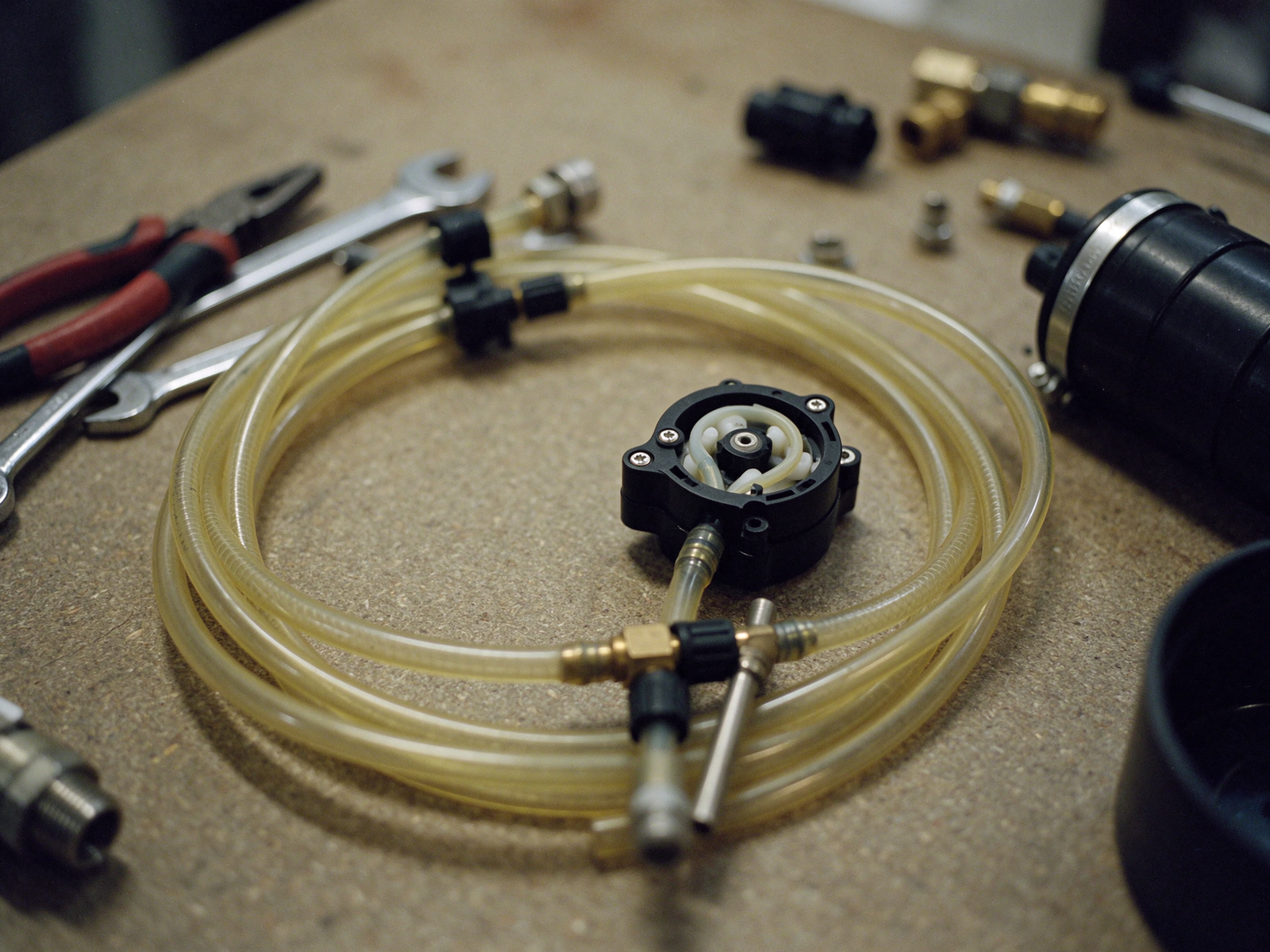
Several signs indicate weak after-sales support and should be raised before the order rather than after a failure. A warranty that states no returns or no support after dispatch, without defining what is covered, leaves the buyer with no recourse if a unit arrives defective. A supplier that cannot name the tube material, bore, or compatible consumables for repeat orders risks leaving the buyer unable to service the pump. Vague response times for claims, no clear technical contact for compatibility questions, or a history of changing head interfaces without notice are also warnings, especially for OEM buyers who rely on repeatable builds.
Conversely, a supplier that documents the recommended consumable against the fluid, answers compatibility questions in specific terms, and states how defects are handled is easier to support over the pump’s life. The warranty itself should be read alongside the consumable supply record: a long warranty on the head means little if the matching tube cannot be reordered.
How Support Shows Up During Selection
The inquiry stage is a trial run for after-sales service. Note whether the supplier asks for the fluid, concentration, temperature, target flow, duty cycle, and installation arrangement before recommending a head, or whether it quotes a unit from a generic flow table. Specific questions back up a specific recommendation, and the answers given now often show whether the supplier can support the duty later. Request the technical data the order depends on, such as the wetted material and the consumable schedule, and keep that information with the purchase record so a later spare order can match it.
Materials and measurement practice relevant to verifying a pump’s delivered output and fluid compatibility can be checked against guidance from the NIST Physical Measurement Laboratory, and engineering research on pump and fluid systems is summarized in programs listed by the U.S. National Science Foundation. Drive and head configuration can be cross-referenced with reference material such as the peristaltic pump driver reference and the motor-driver operating manual, so the buyer has an independent basis for comparing the supplier’s recommendation.
Frequently Asked Questions
Is the tube covered by the pump warranty? Wear parts such as the tube are usually treated separately from the head and drive, because they age with use. Confirm this distinction in writing before ordering, and record the consumable material and bore for later replacement.
What should I keep with the purchase record? Save the head model, tube bore and material, drive voltage and control arrangement, fitting type, the fluid it serves, and the supplier’s consumable guidance. These facts make a later spare order or warranty claim faster to resolve.
How important is spare-part availability for a one-off purchase? Even a single installed pump will eventually need a consumable. Confirming matching tubes and fittings can be reordered prevents a short life for the unit when the first tube wears out.
Should OEM buyers ask about revision control? Yes. For a repeat build, confirm that head mounting, bore, and fittings stay consistent across batches, and how any interface revision is communicated to the buyer.
Discuss the Supplier Terms Before Ordering
If you are comparing suppliers for a peristaltic pump purchase, share the fluid and concentration, target flow, duty cycle, installation and voltage requirements, expected order volume, and whether the build needs repeatable consumables and fittings. The supplier can then confirm the warranty scope, consumable supply, and support route in writing before the order is placed.