
Peristaltic Pump for Electroplating and Surface Finishing: Chemical Handling Guide
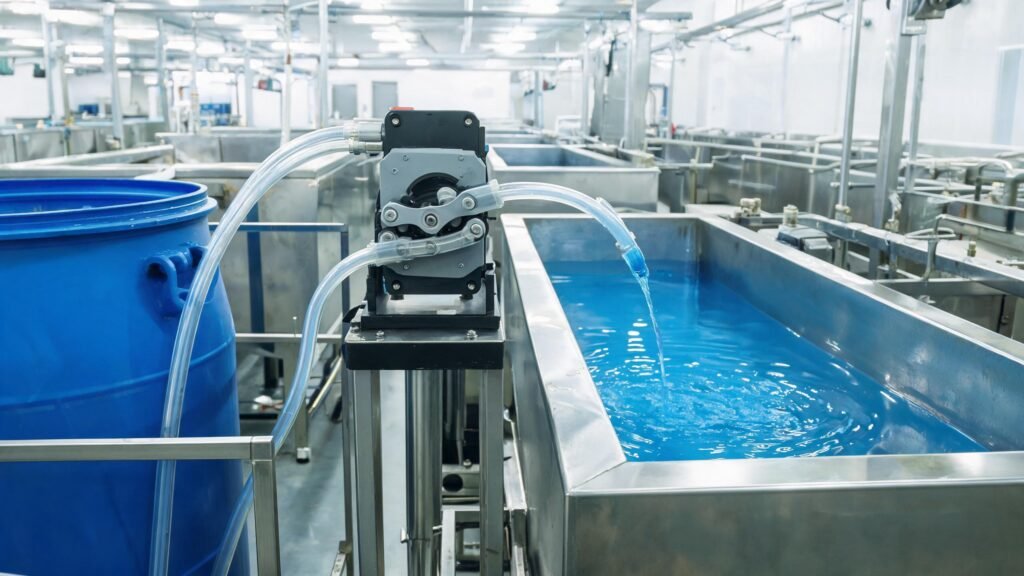
Electroplating and surface finishing operations handle some of the most aggressive chemicals in industrial manufacturing. Sulfuric acid, chromic acid, nickel chloride, sodium hydroxide, and cyanide-based solutions are routinely metered into plating baths, transferred between tanks, and treated in wastewater systems. Selecting a pump that can withstand these chemicals without introducing contamination or leaking is a […]
Peristaltic Pump vs Bellows Pump for Semiconductor Fluid Handling
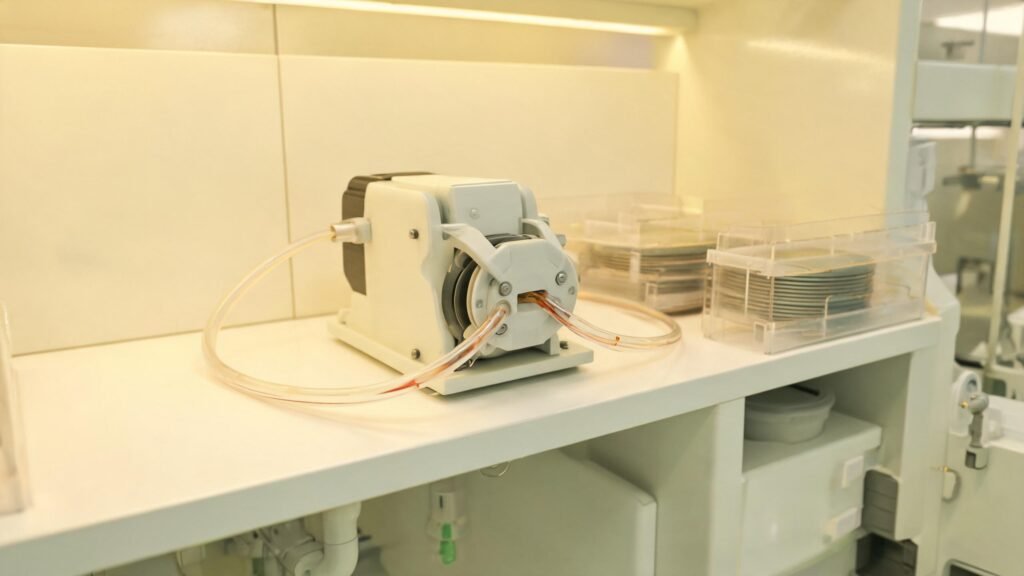
Chemical fluid handling in semiconductor fabs demands a level of contamination control that few other industries require. Process chemicals — from ultrapure water to buffered oxide etch, hydrogen peroxide, and CMP slurries — must be delivered to process tools without introducing particles, metal ions, or organic contaminants. Peristaltic pumps address this requirement by confining the […]
Peristaltic Pump for Battery Electrolyte Filling: Engineering Selection Guide
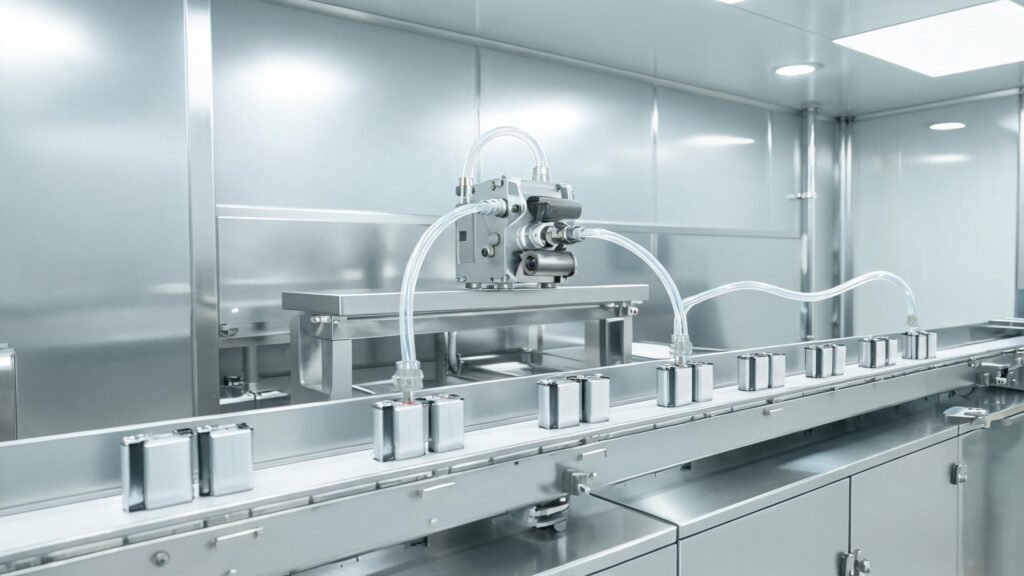
Battery manufacturers face a specific challenge during cell assembly: dispensing electrolyte into each cell with consistent volume accuracy while preventing contamination. The electrolyte — typically a lithium hexafluorophosphate (LiPF6) solution in organic carbonate solvents such as ethylene carbonate (EC), dimethyl carbonate (DMC), and ethyl methyl carbonate (EMC) — is sensitive to moisture and must not […]
How to Customize OEM Peristaltic Pumps: A Procurement Guide
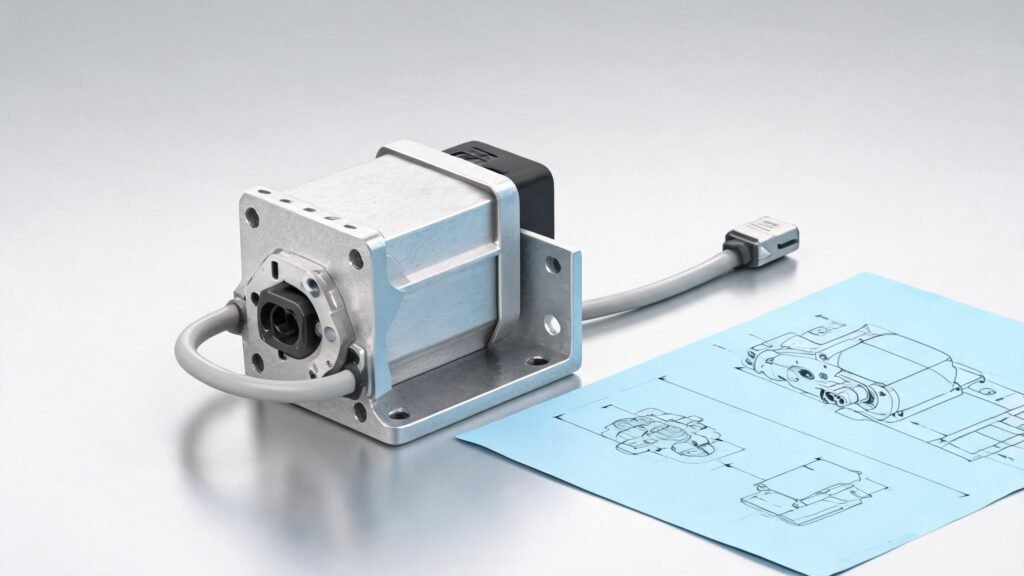
OEM manufacturers sometimes find that standard peristaltic pump models do not exactly match their instrument’s mechanical, electrical, or fluidic requirements. A minor modification — a different mounting bracket, a custom shaft length, a specific motor voltage, or a branded housing — can make the difference between a clean integration and a series of design compromises. […]
Peristaltic Pump Tubing Size Selection: A Buyer’s Guide to Flow Rate and Pressure Matching
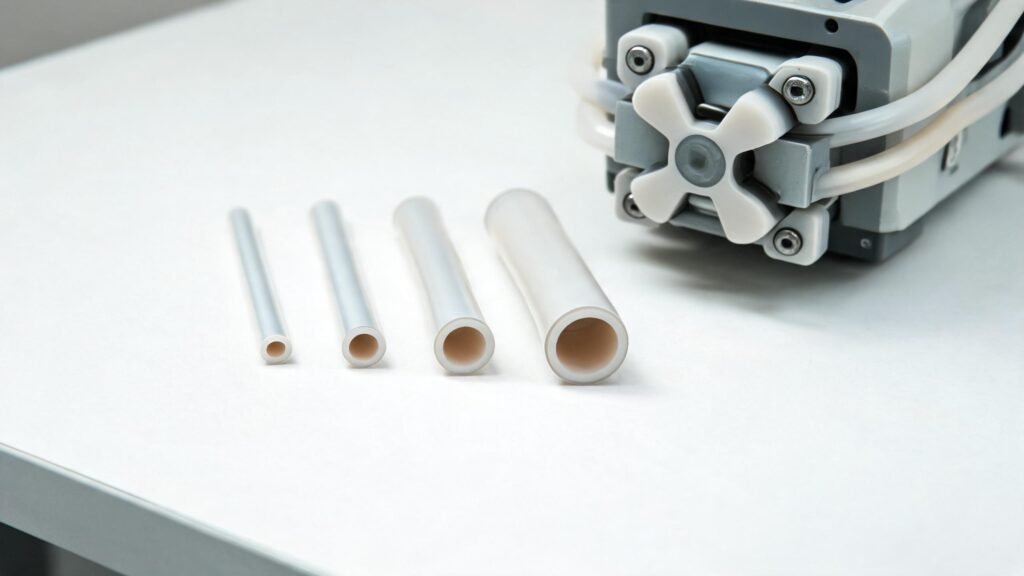
Procurement teams and design engineers selecting peristaltic pump tubing often face a basic but important question: what size tubing does the application need? Tubing diameter directly affects flow rate, pressure capability, suction lift, and tubing life, yet buyers sometimes select based on habit or a previous project rather than matching the size to current requirements. […]
Peristaltic Pump Noise Reduction: Engineering Guide for Quieter OEM Equipment
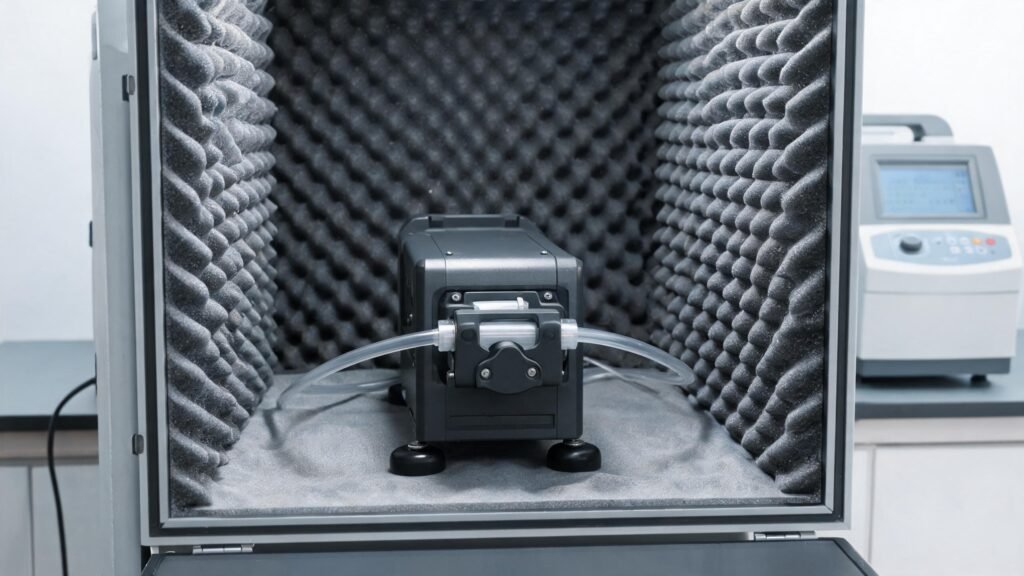
OEM engineers designing benchtop laboratory, medical, and diagnostic equipment often encounter an unexpected challenge: peristaltic pump noise. While the pump itself may be compact and functionally suitable, audible noise from motor, roller mechanism, and tubing vibration can push the instrument above acceptable sound levels for quiet working environments. For equipment intended for hospital wards, research […]
Peristaltic Pumps for Environmental Monitoring and Water Sampling: OEM Application Guide
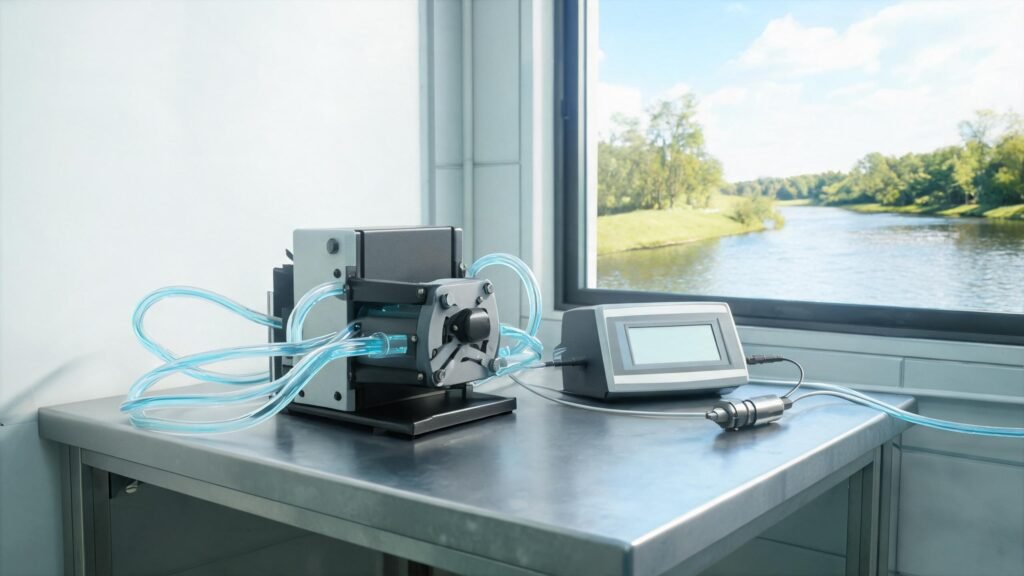
Environmental monitoring instrument manufacturers face a distinct set of fluid-handling constraints. The pump must pull representative water samples from rivers, lakes, wastewater outfalls, or industrial process lines, deliver consistent volumes for analysis, and withstand variable field conditions including temperature swings and intermittent power. Peristaltic pumps are widely used in these systems because the fluid contacts […]
Peristaltic Pump for Laboratory Automation and Liquid Handling Systems: OEM Selection Guide
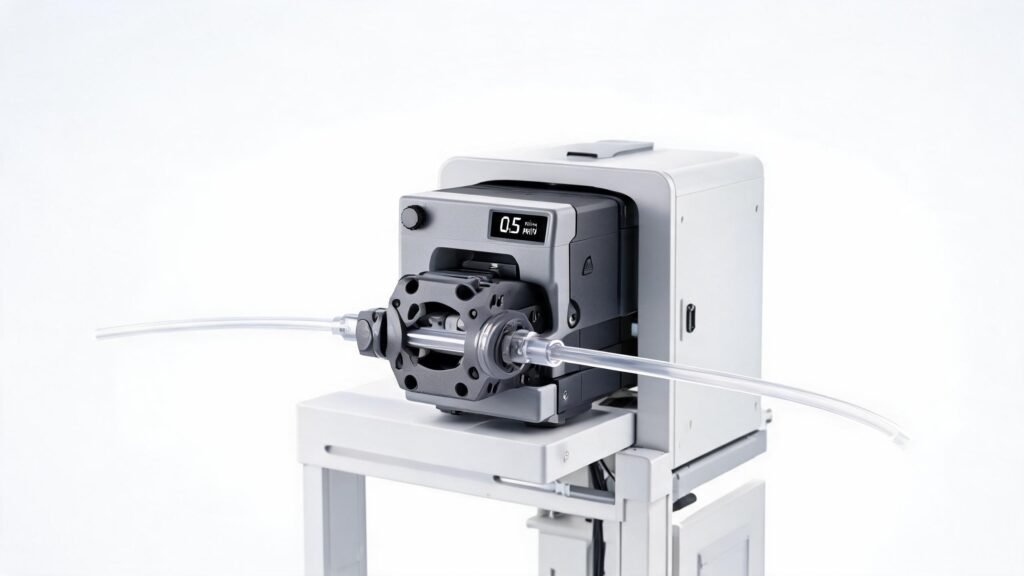
Instrument manufacturers developing automated liquid handling systems face a specific set of fluid-handling constraints. The pump must deliver accurate volumes repeatedly, fit within a compact mechanical envelope, operate quietly enough for benchtop environments, and allow simple tubing replacement during routine maintenance. Peristaltic pumps satisfy many of these requirements because the fluid contacts only the tubing, […]
Peristaltic Pumps for Ink Delivery in Printing Systems: OEM Selection and Integration
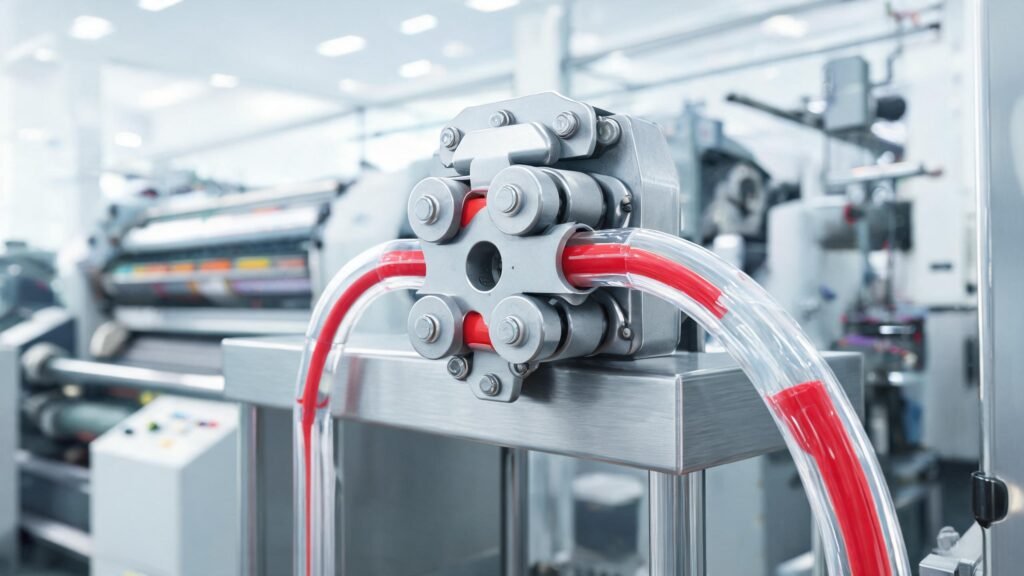
Printing press operators and equipment designers know that ink delivery is one of the most common sources of print quality problems. Uneven flow, color drift, foaming, and frequent changeovers all trace back to how ink moves from the container to the printhead. A peristaltic pump for ink delivery addresses these issues by keeping the fluid […]
Peristaltic Pumps for Pharmaceutical Filling: Single-Use vs Reusable Pump Comparison
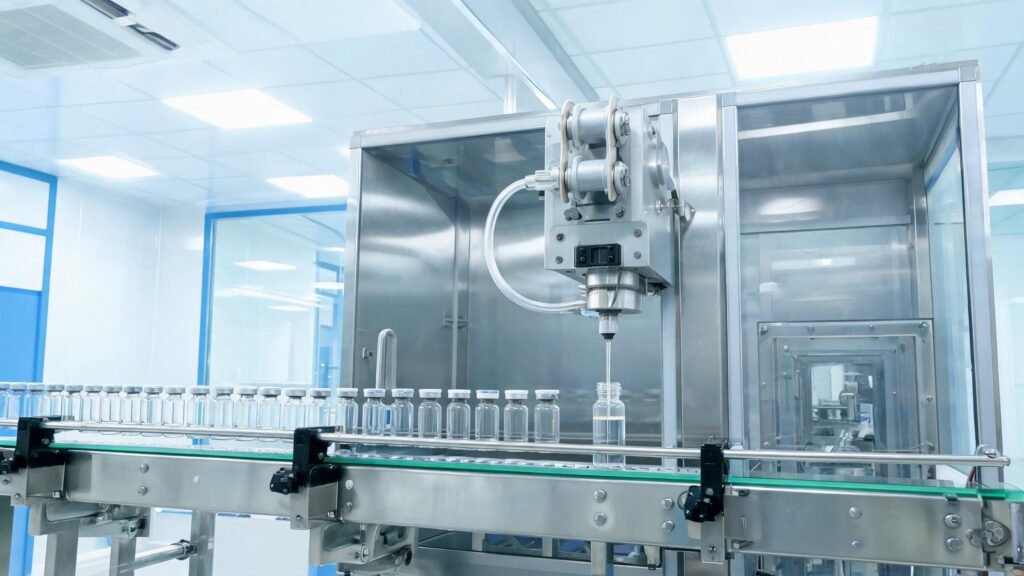
Pharmaceutical filling lines demand dosing accuracy within one percent of target volume, sterility assurance levels of 10⁻⁶, and zero cross-contamination between batches. The pump selected for liquid filling operations directly determines whether a batch meets these requirements or becomes a reject. Selecting a peristaltic pump for pharmaceutical filling requires understanding where this technology excels and […]