
Peristaltic Pumps for Water Treatment and Wastewater Dosing: A Procurement Guide
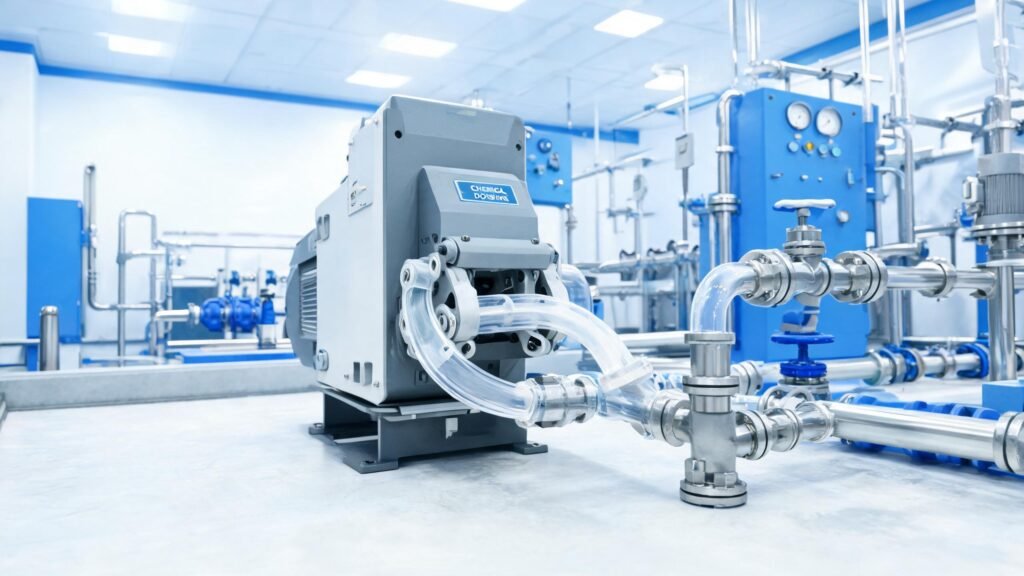
Procurement teams responsible for sourcing a peristaltic pump for water treatment and wastewater dosing equipment face a specific challenge: the pump must handle aggressive chemicals, maintain precise flow rates, and operate reliably in environments where downtime can mean regulatory violations. Peristaltic pumps are frequently specified for these applications because the fluid contacts only the tubing […]
Integrating Stepper Motor Peristaltic Pumps into OEM Equipment: Control and Interface Design
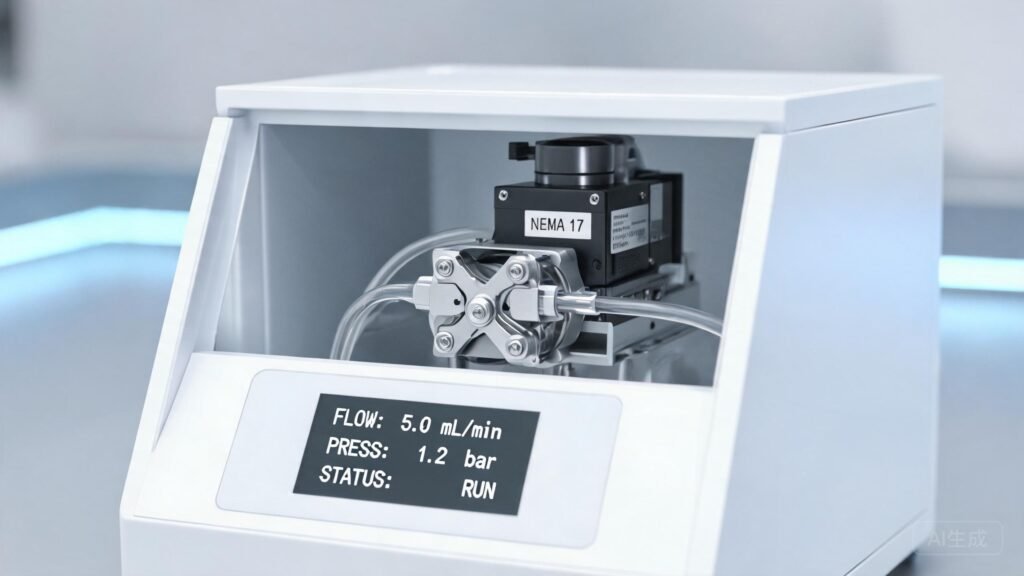
When design engineers integrate a peristaltic pump into laboratory, diagnostic, or analytical equipment, the motor and drive architecture often determines whether the system meets accuracy, noise, and lifetime targets. Stepper motor peristaltic pumps have become a common choice for OEM manufacturers who need precise speed control, repeatable dosing, and direct interface with PLCs or embedded […]
Peristaltic Pump Tubing Failure: Causes, Diagnosis, and Prevention
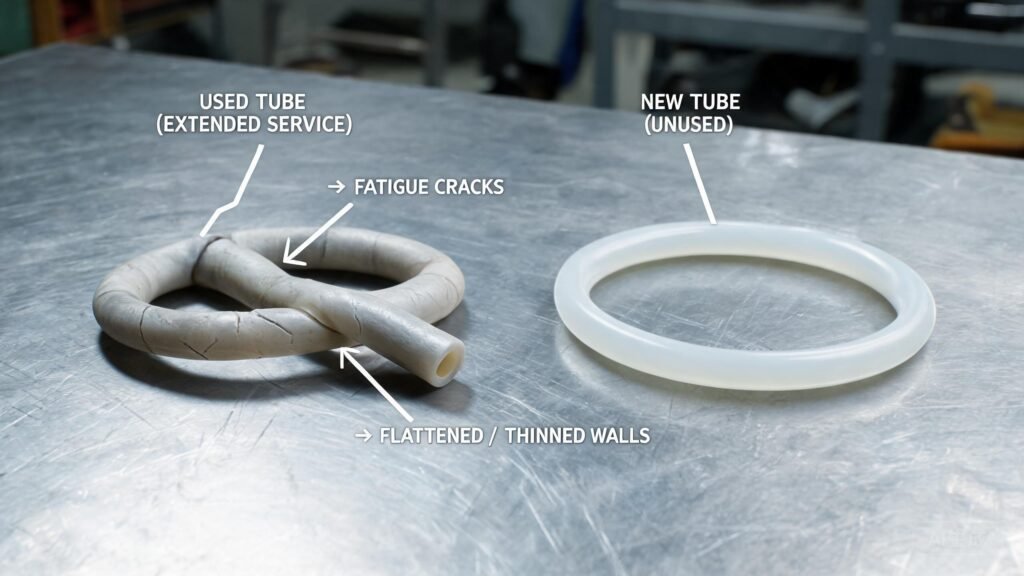
Tubing is the single wearing component in a peristaltic pump system, and it accounts for the majority of unplanned pump downtime across biopharmaceutical, chemical dosing, and industrial transfer applications. When a tube fails, the symptom is usually obvious: flow rate drops, output becomes inconsistent, or the tube ruptures and leaks product. The root cause is […]
Peristaltic Pump for Bioreactor and Cell Culture Applications
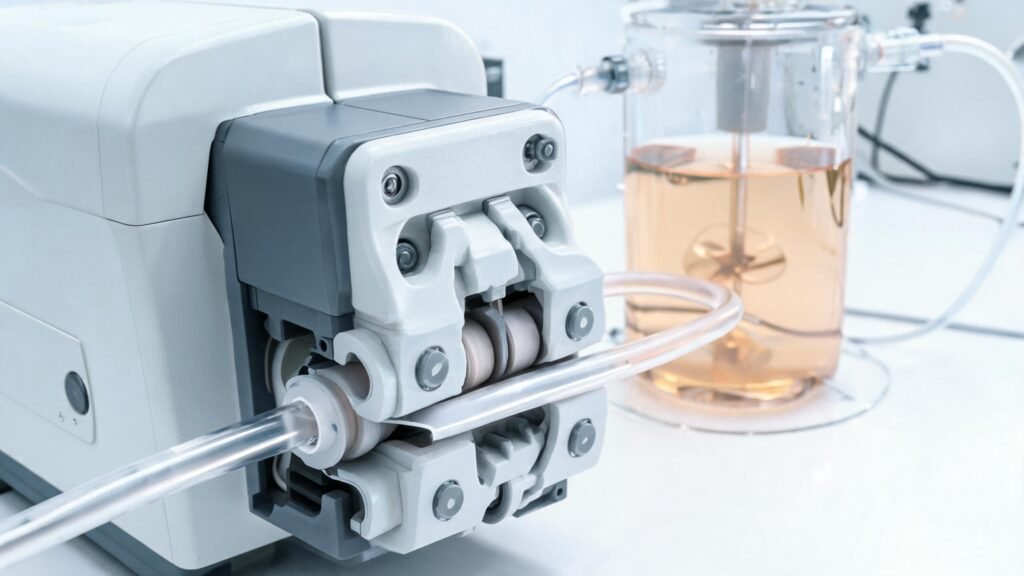
Bioreactor and cell culture processes depend on controlled, sterile fluid transfer at every stage. Media delivery, feed addition, pH titrant injection, inoculation, sampling, and harvest all require a pump that can move biological fluids without introducing contamination, damaging cells through excessive shear, or losing dosing accuracy over a long run. Peristaltic pumps are widely used […]
Peristaltic Pumps in Food and Beverage Processing: Dosing, Transfer, and Sanitary Design
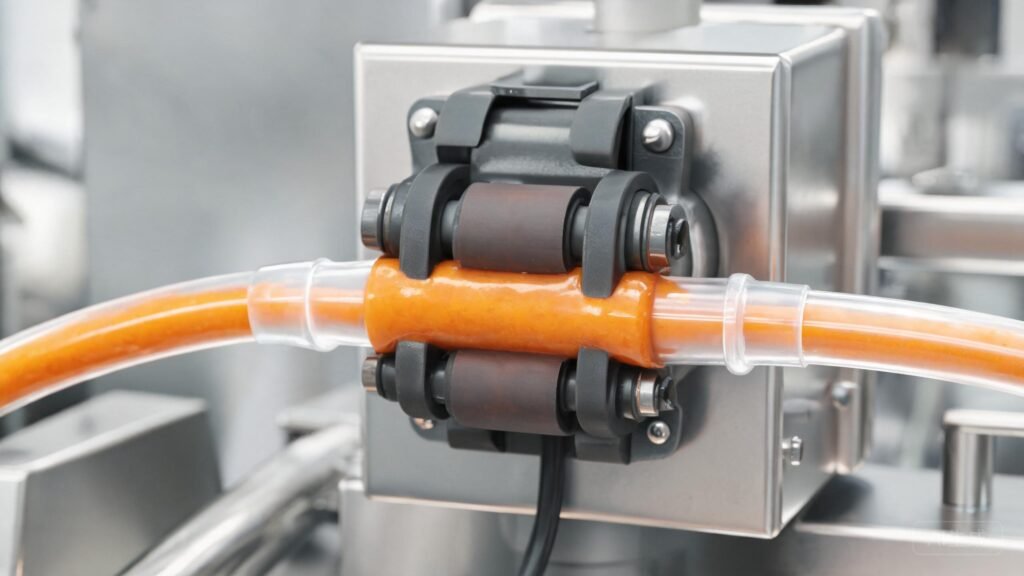
Food and beverage plants move liquids that push conventional pumps to their limits: fruit pulp and concentrates, sauces, syrups, dairy ingredients, flavor and color additives, and brewing adjuncts. These products are often viscous, shear-sensitive, temperature-controlled, or hygiene-critical. A pump that damages the product, slips and loses dosing accuracy, or traps residue that contaminates the next […]
Peristaltic Pump Flow Rate Calculation and Calibration Methods
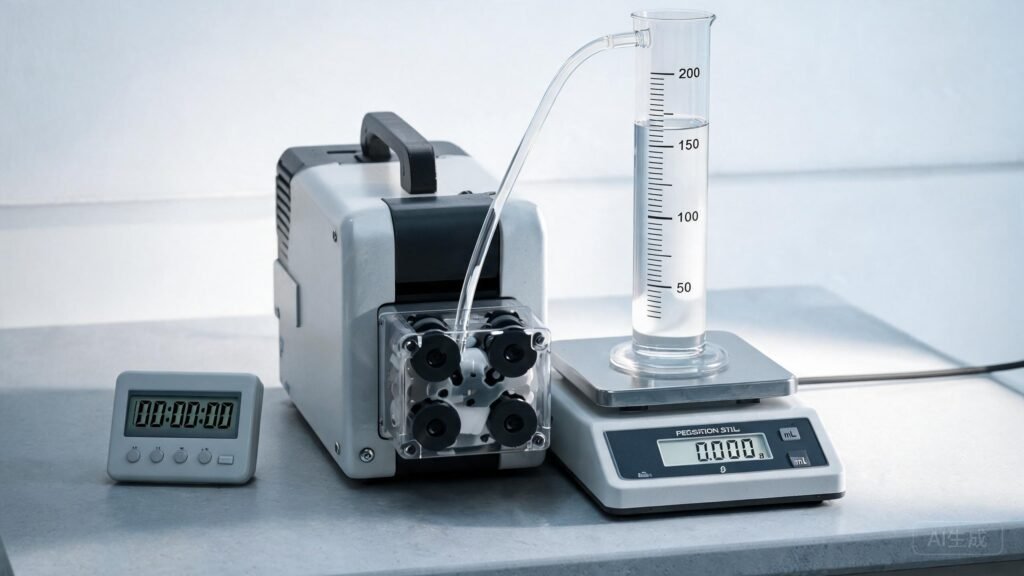
Specifying a peristaltic pump for a dosing application starts with a deceptively simple question: what flow rate will the pump deliver? Manufacturers publish flow rate tables for their pump heads and tubing combinations, but engineers quickly discover that actual delivered flow rarely matches catalog values. Tubing material, fluid viscosity, discharge pressure, suction lift, tubing wear, […]
Peristaltic Pump vs Diaphragm Pump for Chemical Dosing: An Engineering Comparison
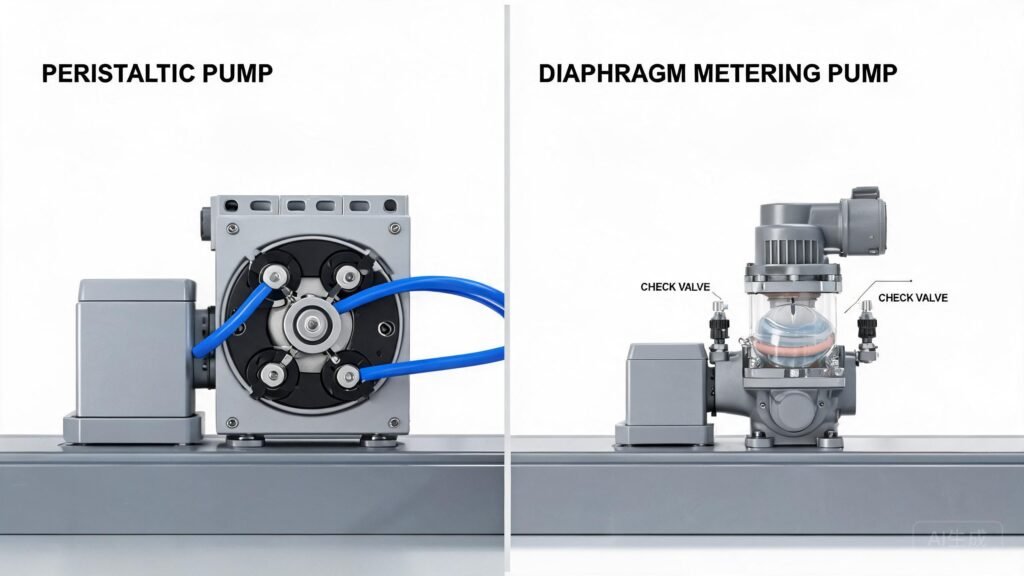
Engineers specifying chemical dosing pumps for water treatment, industrial process control, or laboratory reagent dispensing often narrow the choice to two technologies: peristaltic pumps and diaphragm (metering) pumps. Both are positive displacement pumps designed for controlled fluid delivery, but they differ fundamentally in operating principle, maintenance profile, pressure capability, and accuracy characteristics. Selecting the wrong […]
Peristaltic Pump Tubing Selection for Chemical Dosing Applications
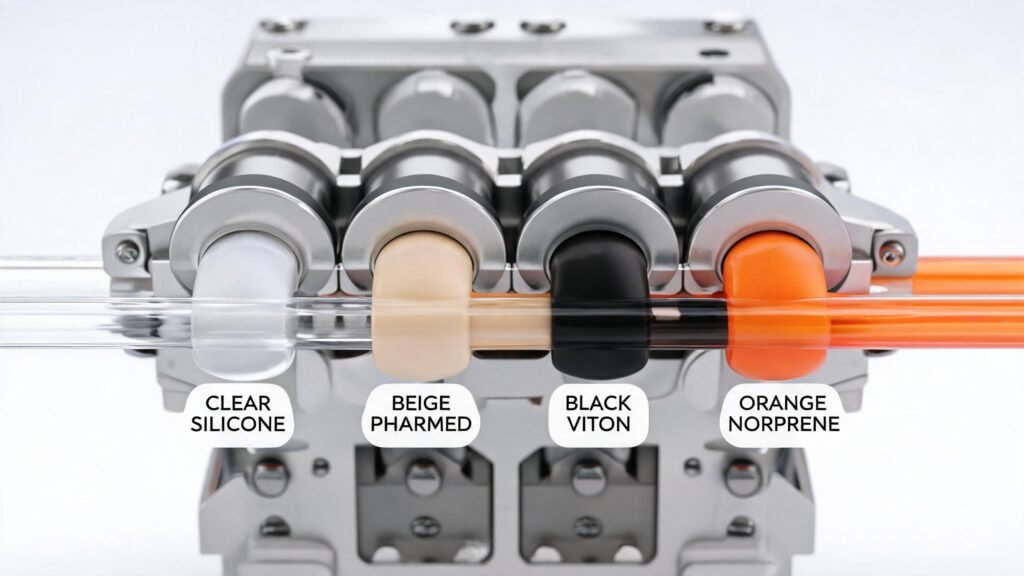
When a peristaltic pump underperforms in a chemical dosing system, the pump mechanism is rarely the root cause. The tubing inside the pump head usually is. Engineers specifying peristaltic pumps for chemical dosing applications — whether in water treatment, laboratory reagent dispensing, or industrial process control — often find that tubing material selection determines flow […]
Selecting 12V DC Peristaltic Pumps for Portable and Battery-Powered Devices
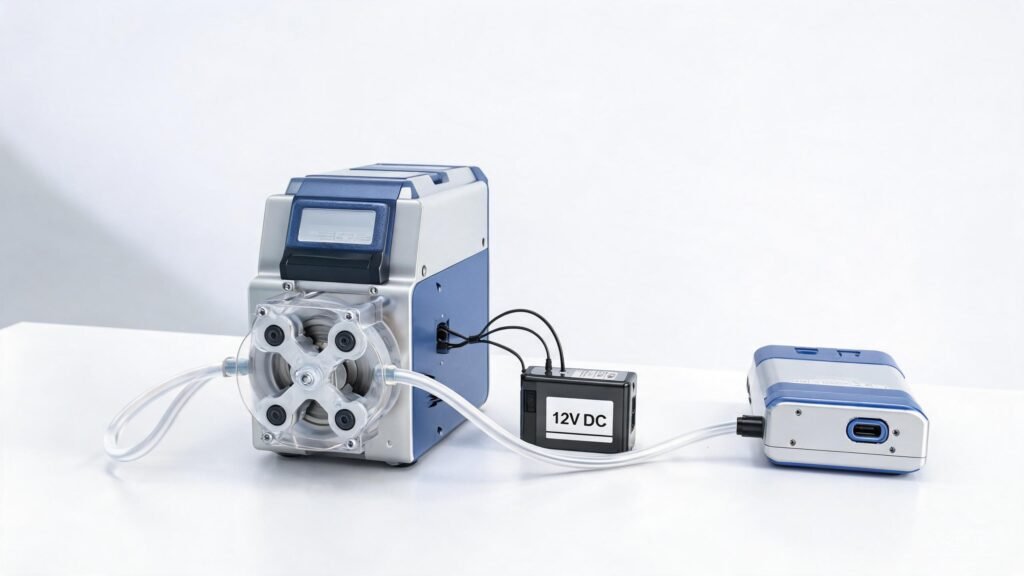
Portable and battery-powered devices increasingly rely on peristaltic pumps for precise fluid handling — from aquarium dosing systems and pH dispensers to portable medical instruments and field sampling equipment. For design engineers, selecting a 12V DC peristaltic pump involves more than matching a flow rate. Power consumption, motor type, tubing compatibility, and physical footprint all […]
How to Reduce Flow Pulsation in Peristaltic Pump Systems
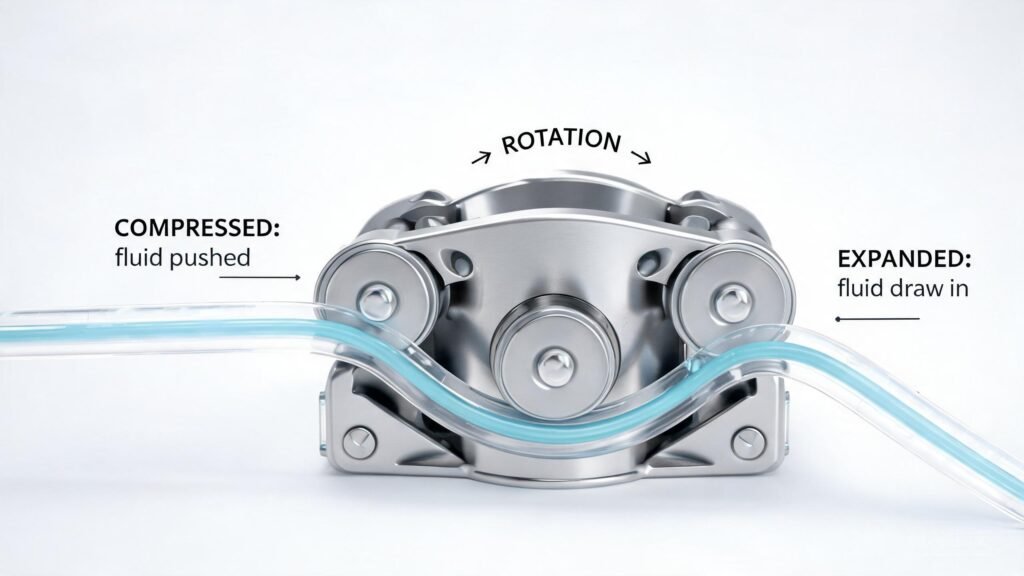
Engineers integrating peristaltic pumps into dosing systems, analytical instruments, and process equipment often encounter a predictable problem: flow pulsation. The cyclical compression and release of tubing by pump rollers produces an inherently non-continuous flow pattern. For applications requiring precise reagent dispensing or chemical dosing, even moderate pulsation can compromise measurement accuracy and pressure sensor readings. […]